Seriously though, the first thing to consider when introducing a new economic opportunity is imagining what it looks like for someone with capital to try to maximize it. Cause that’s what happens.
What that means is a bunch of guys with tech salaries buying more cars than they otherwise would have and sending them empty out into the world for passive income, then reinvesting that into more cars. I can already see the YouTube thumbnail of some dude standing in front of 20 Teslas and making a dumb face.
Of course his empty cars will get more marketshare than your personal vehicle because they are always available, he never recalls them to go for groceries.
In other words, normal people don’t make much and more cars on the road… But he sold a lot of Teslas.
Not that they’ll ever deliver on this idea anyway.
This may be the case for a while, but it will become unprofitable when supply exceeds demand. Elon primarily wants fleets of Cybercabs (idk if these will be privately owned and/or Tesla owned) roaming around, which return to an automated maintenance facility for cleaning. There is an incentive for them to be immediately available upon request. I assume the Model S, Y, X and 3 would be “premium options” above the Cybercab.
From a purely financial standpoint, consider someone living downtown who owns a new $45,000 vehicle. They’re likely paying around $800 per month in financing, plus another $300 for insurance and taxes. Add in roughly 15 cents per mile for energy and maintenance, and for someone driving 400 miles (30 trips) a month, the cost works out to around $2.90 per mile.
Now, imagine an autonomous vehicle service that can pick you up within 5–7 minutes of a request and charge $2 per mile. In that scenario, the economics begin to favor not owning a car, particularly for those who don’t commute daily or have only moderate travel needs.
Of course, this overlooks the cultural and emotional attachments many Americans have to car ownership, but the invisible hand may eventually push behavior in a new direction. Until a full autonomous network is in place, car ownership will remain prevalent. Still, as vehicle prices rise, the financial incentives may start to shift.
I also haven’t touched on the implications for urban design. As more developments are built with reduced immediate parking, the 3–5 minutes it takes for a vehicle to pick you up curbside could match or beat the time it takes to walk to and retrieve a car from a nearby deck. And for certain trips such as those involving alcohol, sporting events, or long-term airport parking an autonomous or on-demand service may already be the more practical option.
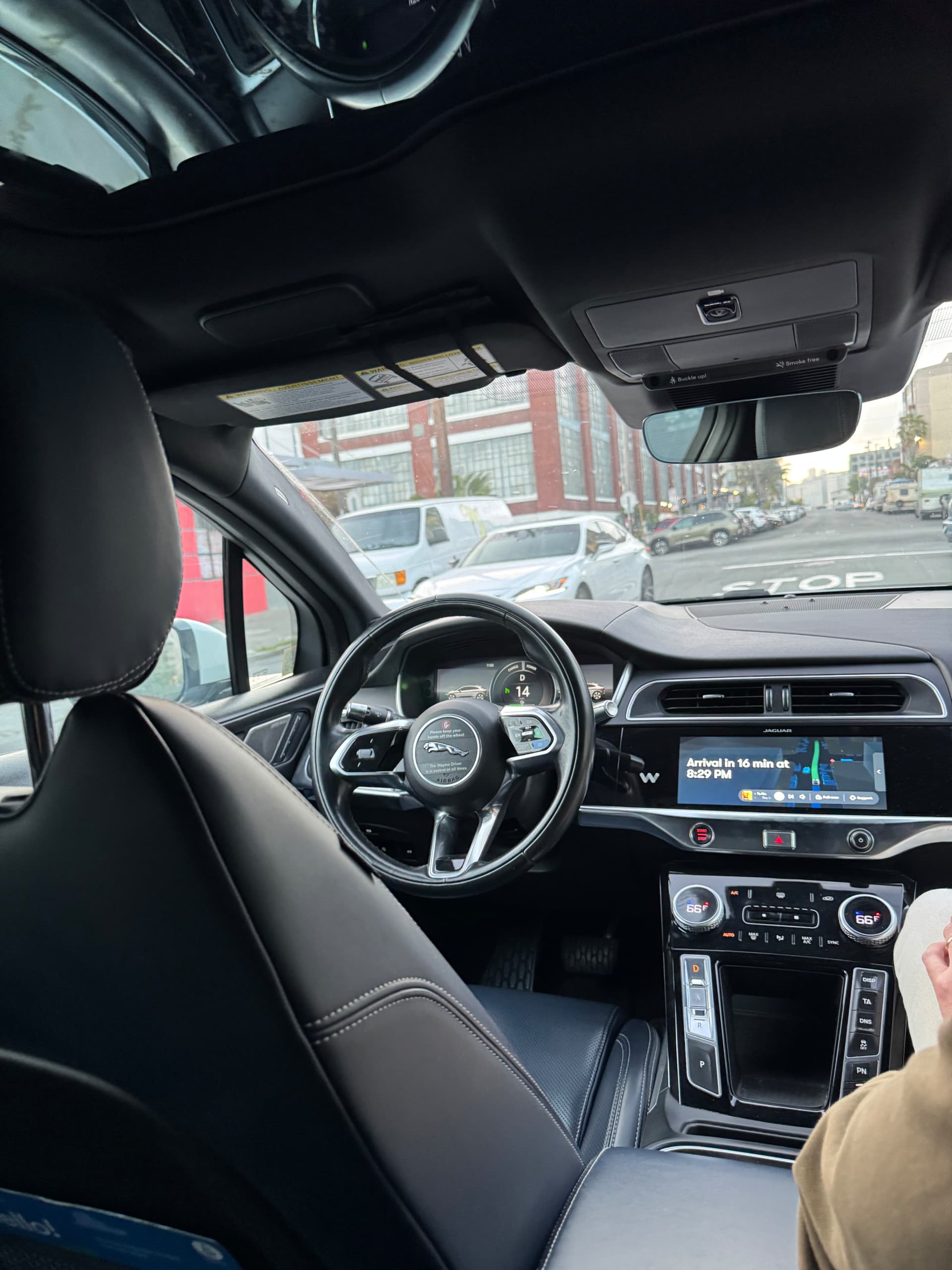
I don’t have much to add here, just wanted to share I was able to take an autonomous Waymo on a recent San Fran trip and it was a fun experience. They are all over the place there.
I have yet to ride in a driverless car and I don’t think I ever will hahaha - I simply could not imagine myself being able to relax or not worry about getting in an accident.
As a gearhead…have you ever been a passenger? I hate riding with other people because their driving habits freak me out. Everyone needs to put their damn phones down and learn how to drive.
I’ve learned to read my phone, or stare out at the scenery, on those rare rare occasions when I am not driving.
Slightly different, I wonder how long steering wheels will stay in vehicles once they self-driving tech is really good. I discuss this with my first-year students, particularly when we look at early steamships that still have sails - from my perspective its a trust issue with the technology. People will be more comfortable seeing a wheel there, even though its never used, so I suspect useless wheels will be around for a long time.
It’s going to be a loooong time before cars are truly full self driving. When you consider being able to drive in all road and weather conditions. Fog, blizzard, heavy rain, etc.
We’ll get there. But that last mile to remove steering wheels is ways off I think.
Reminds me of the story of how elevators went through a similar thing. The public had to trust the automatic elevator before they could shed the human operator.
Unless it’s a Wonkavator! An elevator can only go up and down, but a Wonkavator can go sideways and slantways and longways and backways and squareways and frontways and any other ways that you can think of.
Counter to this is the amount of human error that leads to accidents and often fatal. The data shows autonomous is wildly safer. Maybe not 100%, but far and away safer than a majority of humans. The more crappy drivers we can get into autonomous vehicles, the safer we all are.
I own a Tesla and having my own experience with Full Self Drive (Supervised), I believe those statistics are BS. Many Tesla owners have had such scary issues with FSD, as I have, that they will not use it in urban environments. Only on the open road in the countryside where the accident rates per mile driven or per hour of driving are much lower.
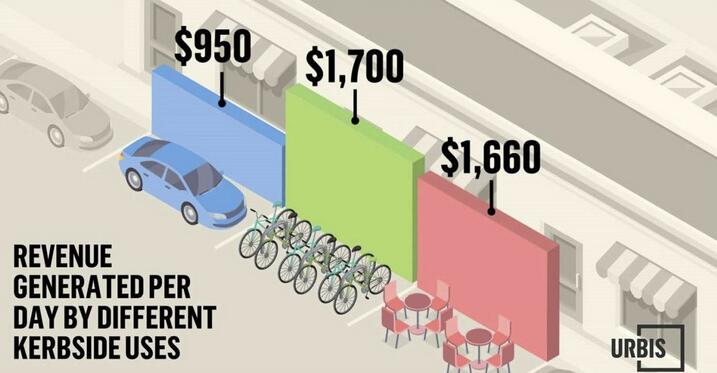
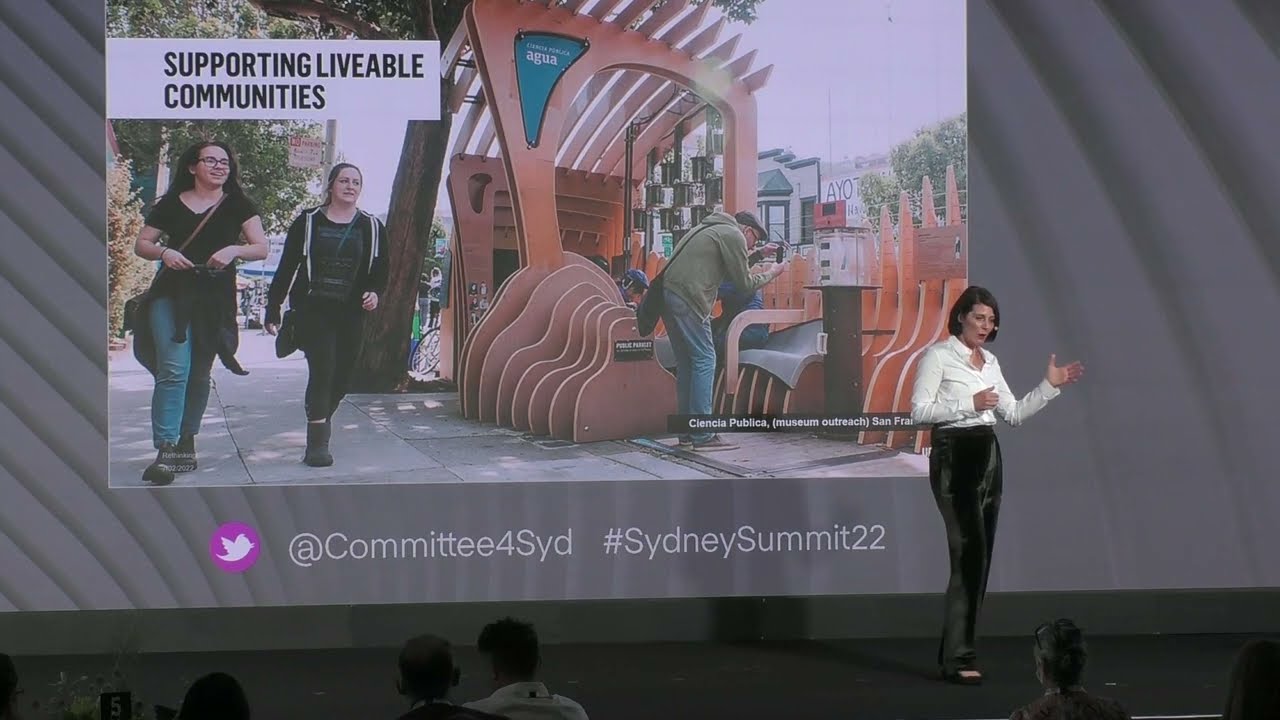
This is an interesting presentation regarding retail and what generates the highest sales (not a US study):
I am not suggesting that all parking should be eliminated. Some mix is certainly necessary, but simply adding more vehicle parking does not equate to unlimited increases in sales, as we have seen with power and lifestyle retail centers. People and bikes require significantly less space, and cities likely won’t oversaturate with bike racks or outside seating either, they can achieve better outcomes using fewer resources. I’d argue we saw this during COVID with parking spots being turned into these temporary spaces, now we just need to see it continue and expand.
I’m certainly not suggesting yours or any of what you’ve heard is wrong, but from my personal experience I was very impressed with it (FSD supervised). While there’s always room for improvement, I was fine with it driving/navigating around the Miami area of S FL (including the dreadful highways). To each their own. It’ll get better but it’s already miles ahead of a lot of human drivers, IMO.
If autonomous taxi services become mainstream, we will possibly see the death of street parking in major urban areas. It could also mean many parking decks will become vacant, which would create opportunities for redevelopment.
This of course will mean a loss of revenue for cities, who will likely end up implementing taxes to recoup it.
Put many more residents in walking distance to retail and services, and make the walkability a pleasant experience and you need fewer parking spaces for both cars and bikes.