Oakwood wasnt that nice, and certainly wasnt affluent in the early 70s. It was boarding houses and poor indoor plumbing, and early “urban pioneers.” My folks almost bought down there for cheap in 73, but it was too much work. They bought in Fairmont, that only required all new electrical and heating. (We never did have ac). This freeway cancellation was as much about not destroying Raleigh. The wipe out of Halifax St area for the state complex I suspect did much to turn the tide.
9 Likes
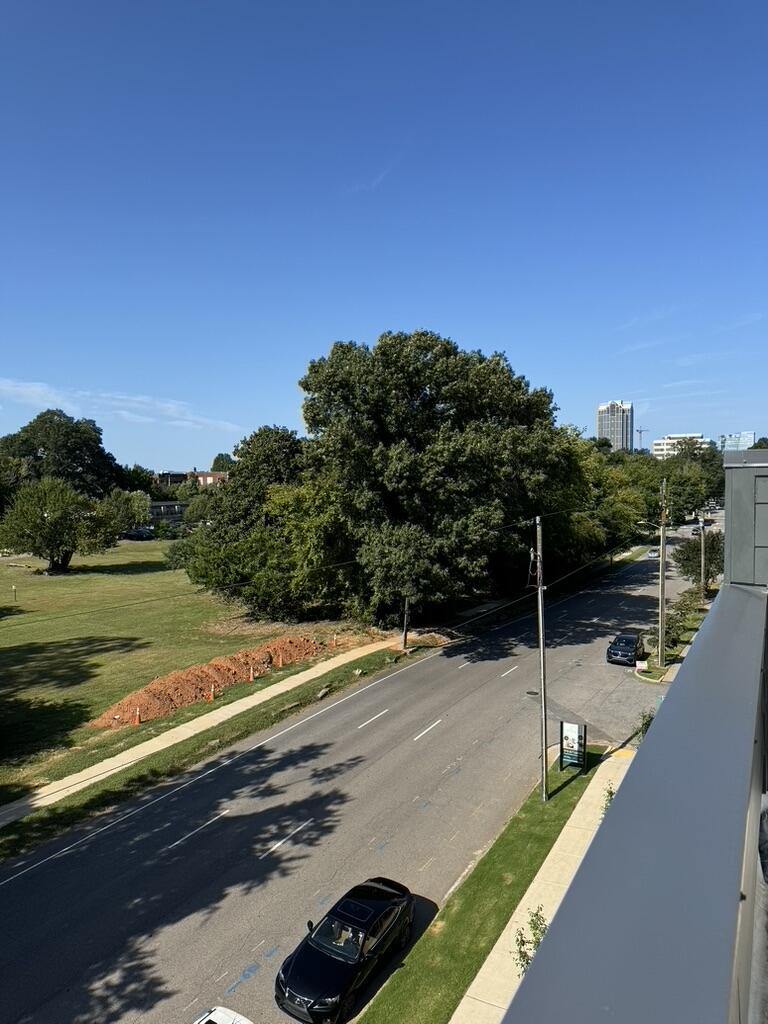
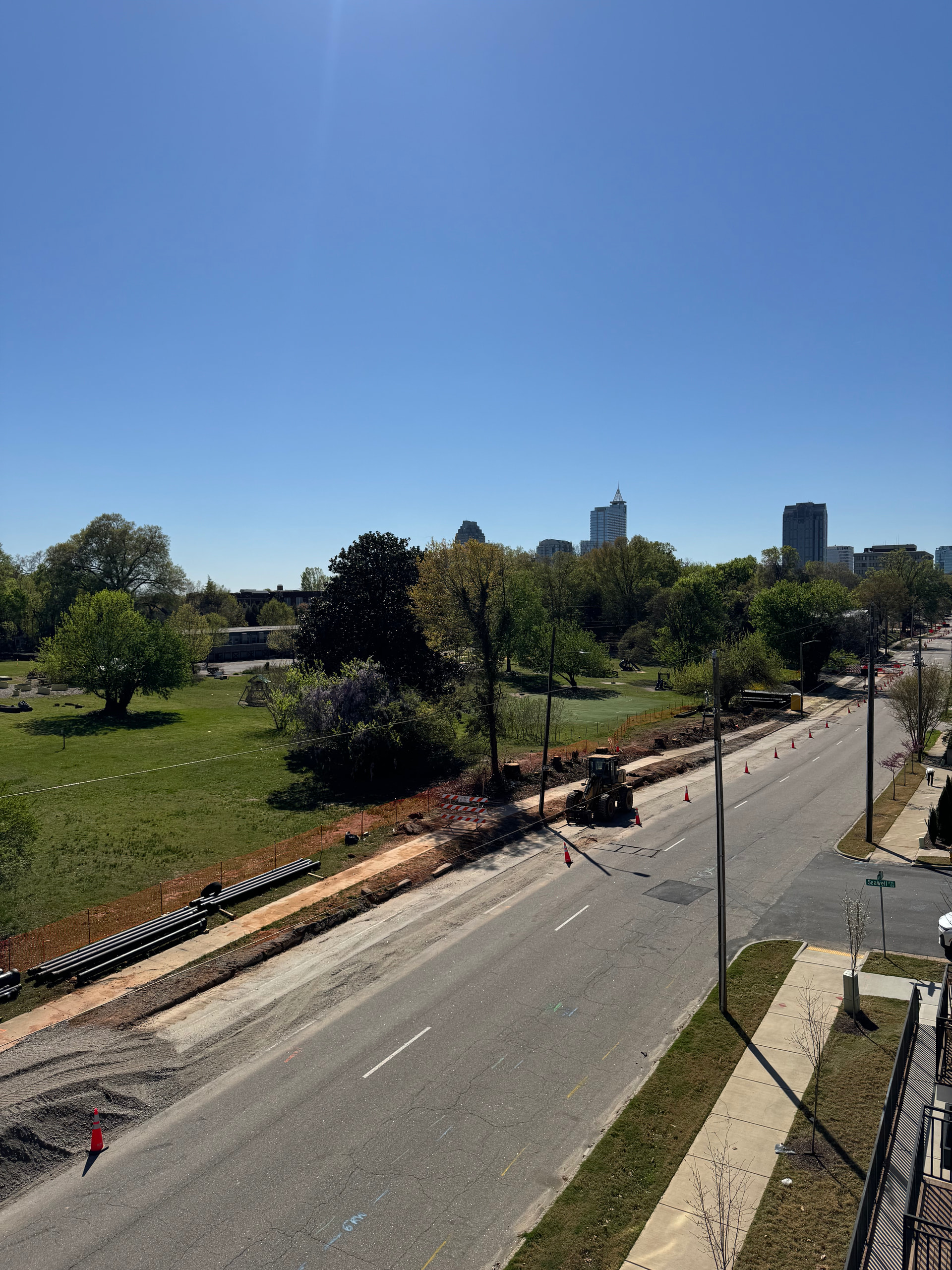
I will say, as grating as it is to listen to the construction all day, I do appreciate what the BRT is doing for my skyline view.
17 Likes
Boom! Thats sure doea open the view up.l, talk about a bonus.
3 Likes
But what a beautiful, elder tree we’ve lost 
2 Likes
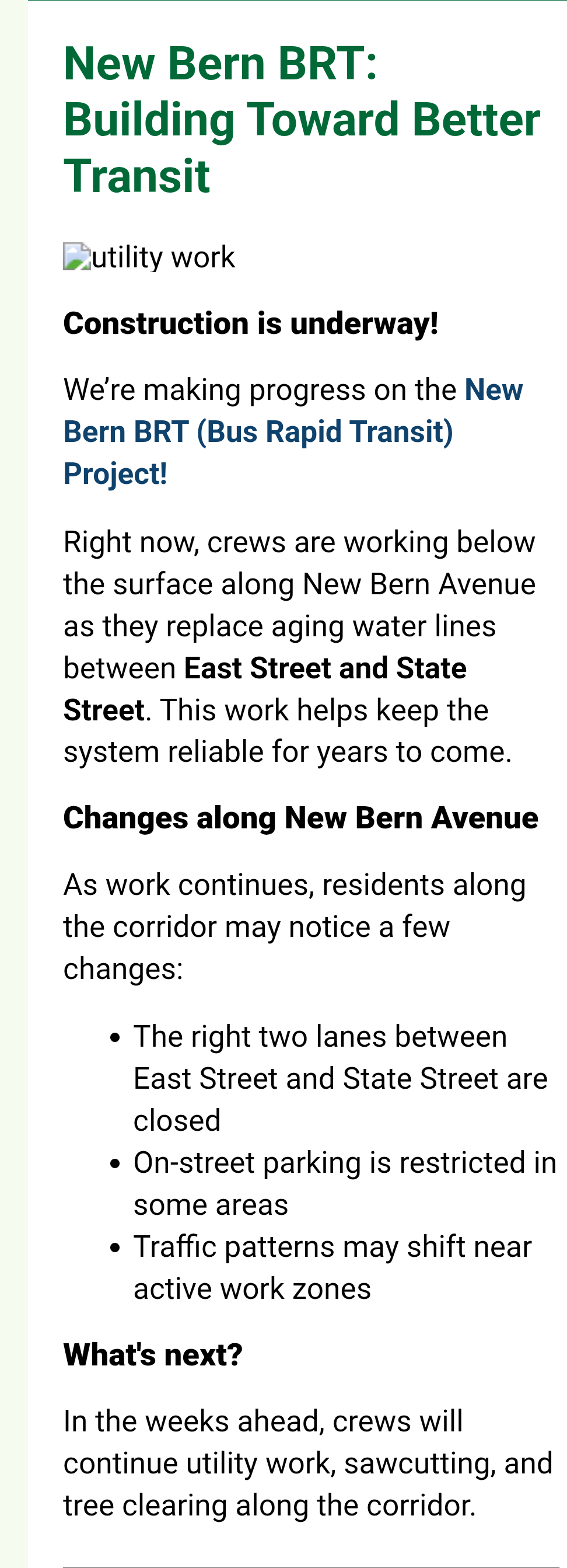
Okay not be a complainer, but I can’t be the only one who finds the proposed designs of our BRT stations really underwhelming compared to those of peer systems? Compare the renderings of prototype Go Plus stations to Richmond PULSE or Albuquerque ART. Our’s just don’t seem to have any really interesting or distinguishing features.
I also wonder if there’s been any consideration of through running through downtown, having Eastern buses continue on the Western line, Southern to Midtown/TTC; and are we giving the lines colors, numbers, letters? Will branding and way finding be harmonized with BRT operated by GoDurham, GoTriangle etc?
3 Likes
So, I think of the BRT as speed and capacity improvements on existing routes that are otherwise constrained and really don’t like how it seems like Raleigh really wants to consider them as a separate system. BRT will only live up to its best self, if GoRaleigh rises to meet it and at the end of the day BRT isn’t much but a better bus, which is still improvement and good. I would be okay with and probably support abandoning the Go+ branding, but not the stations, TSP or busway. Denver brands all of their modes as “The Ride”, which I think is fine.
I’ve talked about this some. I think there’s support for it, but I don’t think staff has really been talking about it. I think that there’s probably some fear about the politics of it and the one-way nature, railroad tracks, where GoRaleigh Station is, and state ownership of streets of downtown, really make through routing buses difficult.
I haven’t seen this discussed. I would probably want to keep using the same route numbers as we do now, but that might get weird, especially on the Western Corridor.
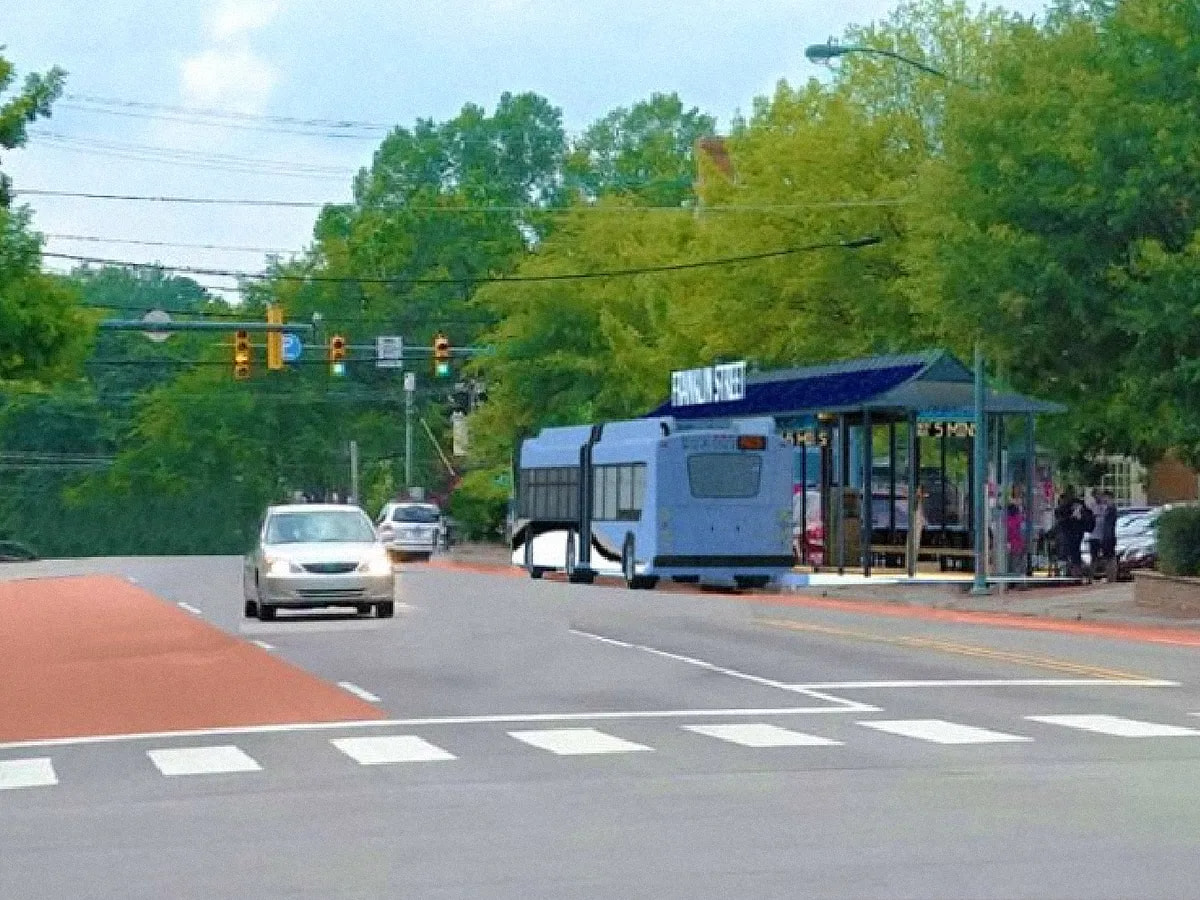
Not Chapel Hill Transit, I don’t know about the others. I would assume that it’s not been decided yet.
3 Likes
Man… I find just about everything Raleigh does (be it private developers or the City of Raleigh itself) to be underwhelming compared to even lesser cities 
1 Like
Definitely agree about the need to improve the overall system, but I’m not sure that I agree about the branding. I think that when using trains for rapid transit, as Denver predominantly does, the modes naturally create a hierarchy, so there’s not really a need for branding; but since we’re building a system entirely on buses, I think there is a need to brand the limited-stop, high frequency services, with stations and off board fare payment differently from regular bus services, not only for marketing purposes, but because passengers need to interact with the services differently (pay before boarding, no stop requests, all door boarding, etc). I also wouldn’t be opposed to some kind of branding for the frequent network services (at least at stops and on materials) for that matter.
I think the GoPlus branding is also probably necessary because the BRT will be operating outside of GoRaleigh’s regular service area, I think it would be somewhat confusing for passengers in Cary to just have a single GoRaleigh service operating in Cary without special branding; it also provides an obvious vehicle to present a unified network of BRT in the region, despite lines being operated by separate operators.
I also don’t really think this is a good idea for two reasons:
1. These services will not operate like regular bus routes, and that needs to be signaled to passengers. If we keep the existing route numbering, I think passengers will expect the experience to be the same as the existing routes they are used to, which it will not be. “What do you mean I had to pay my fare at the station?” “Why did we skip my stop?” “Why is there no bike rack on the front of the bus?”
2. Branding to the public. The construction of the BRT represents a pretty significant investment in transit and I think “we delivered the GoPlus Red Line (Line 1, A Line, Oak Line, etc)” is a better message for the city, county, and RTA to send than “we increased speeds and frequencies on GoRaleigh Route 15” particularly as we approach construction on the Western line, and design on the Northern BRT system which are going to be far more expensive and complicated projects than the first two lines, which could garner significant public opposition.
I can see why they’re avoiding talking about it, but I think as we get closer to actually opening multiple lines, this is something we should really push for, and in the mean time, at least ensure that routing doesn’t preclude future through running.
7 Likes
I think there can be value in signaling the different operators. I expect a different kind of service from GoCary, than I do GoRaleigh and I expect to use GoTriangle very differently than both. In my mind the Western BRT would be a GoTriangle route. I do like the idea of more “GoRaleigh, a member of the GoTransit family of services”.
Baltimore is really interesting for this. Basically all of their frequent routes are marketed as CityLink and assigned colors. Where as their locals are assigned numbers. This means that they have some weird colors but it’s always clear what the expected frequency of a route is.
These are fair arguments for a change of branding. I am pretty vehement that we shouldn’t continue to operate local service on corridors that receive BRT though. Otherwise I don’t think we’d operate either frequently enough to matter, so people would take whatever comes first. It’s been intriguing to watch people ride the bendy buses on the 1 for the first time. I’ve seen a few people get really confused as to why the bus looks different but they took to it quickly.
I just think of my target market for BRT as existing riders and people close to them, so I want to focus on making any changes we do legible to them and when we break their workflow we shouldn’t go halfway.
I mean I feel like the thing to say is what happened to ridership after implementation. To say that our improved line increased ridership by 20-40%. King County Metro would implement RapidRide on a corridor and that’s the ridership increase they would face.
The Route Committee reviewed some BRT Plans today, and it looks like Staff is currently proposing a route that could be difficult to through run for Northern Corridor:
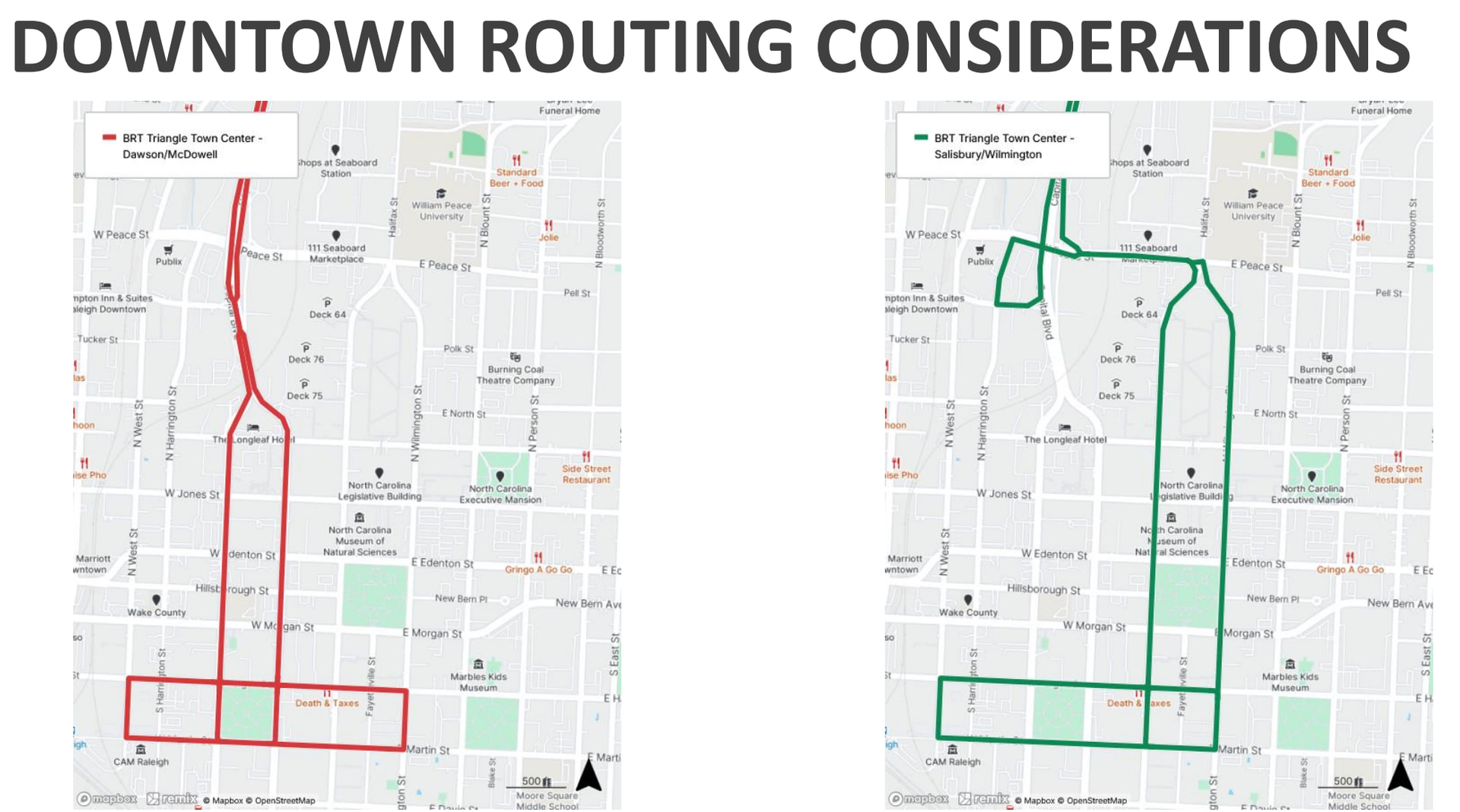
In my mind at least the Dawson McDowell route looks worse for that. Then again, with the current GoRaleigh Station in flux, I feel like trying to find a route that connects RUS BUS, and a potential or current GoRaleigh Station is really hard through Downtown Raleigh. that you could access from both sides.
This is the newest plan I could find for New Bern and Southern:
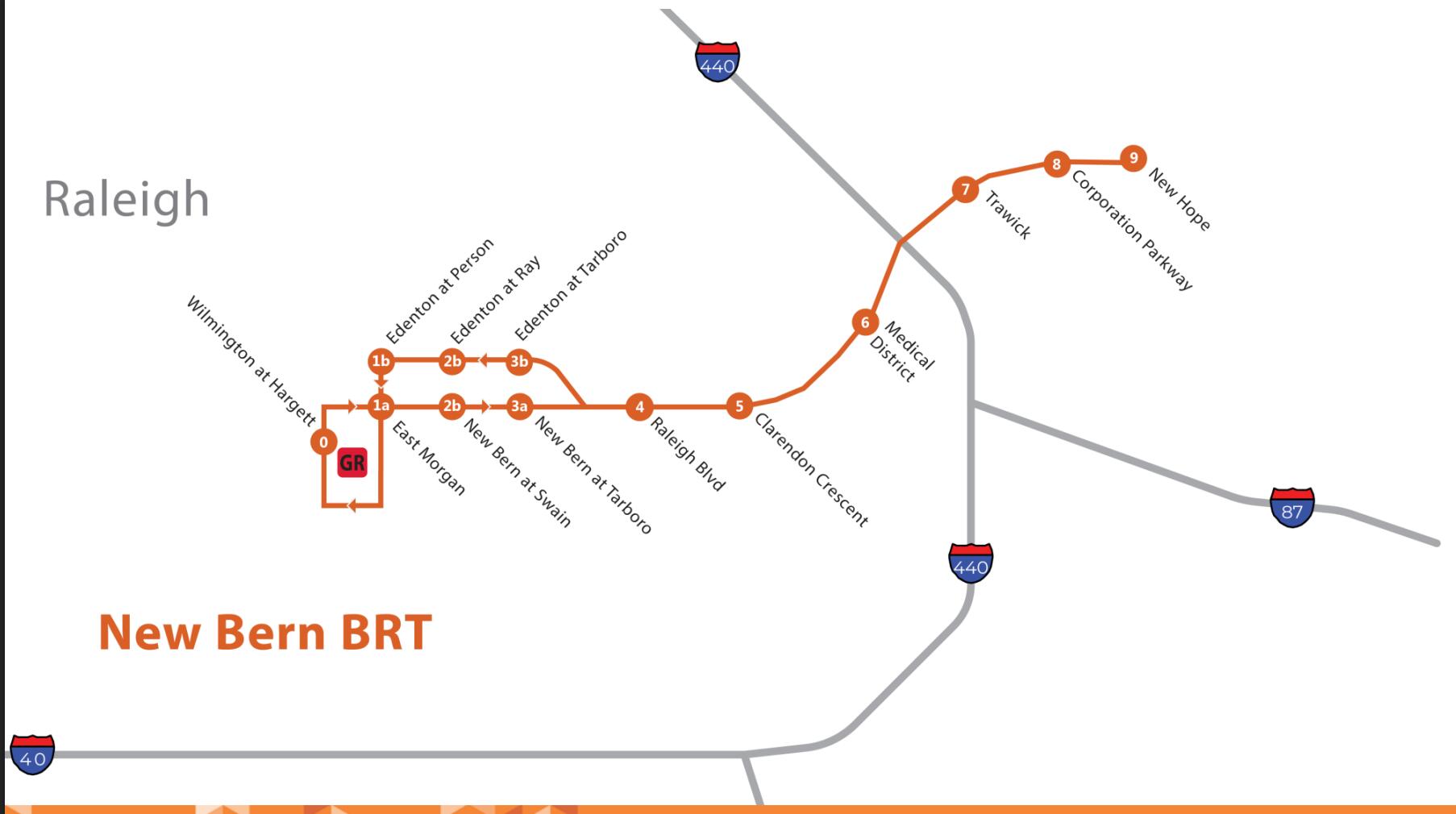
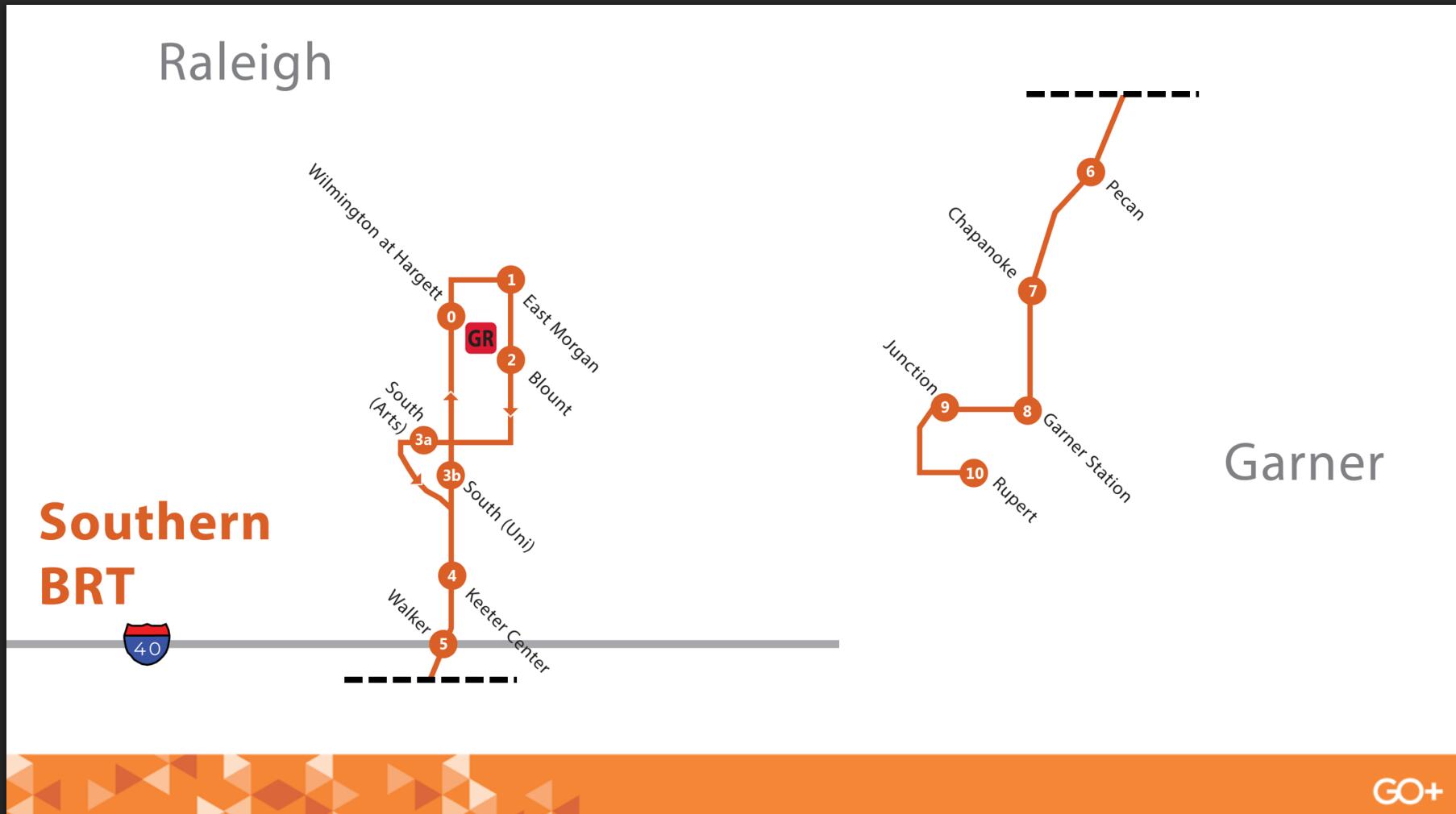
(In looking back at these I just realized that New Bern and Southern, don’t intend to serve RUS BUS and Western/Northern do, which feels a little weird to me.)
3 Likes
i know there may be some senior housing going up on new bern , im just two ears and two eyes but as a former bus rider and longview resident (extreme low density?), it seems that more regular buses, many more covered bus stops, and signal priority devices would be a better route. im not sure that whatever new density that is going up on the New Bern corridor is going to be that much more transit-friendly to justify the costs? They’ve started it i guess.
1 Like
The 15, our route on New Bern, is our busiest route in the system, today. It routinely crowds and it’s running frequently enough that it’s hard to operate more buses on the corridor without bunching. A dedicated busway, transit signal priority, and bigger buses are needed to increase capacity on it. The shopping centers at the end are actually pretty useful and transit shouldn’t just serve the city as we wish it to be but also as it is today.
4 Likes
i guess i would just inquire as to where… social serivces on swinburne? wake med eomployees and patients? there is a lot of SFH along that corridor that i expect wont ride the bus much at all
In my experience riding the 15, usually people are riding it all the way to the shopping centers at the end. New Hope Commons Walmart, but I don’t know where they go from there. There’s a lot around there.
3 Likes
The new TOD was done to address some of that. There are pockets of infill going up at higher density plus a potential “New Bern Assemblage” rezoning on the city’s portal to upzone a bunch of SFH areas to multi-family. A huge new apartment complex just opened up across from Tower, next to Holiday Inn Express. The formula is there we just gotta get the developers to stop being so hesitant to take the initiative—which will likely change once BRT is in place.
(IMHO, the current BRT end at New Hope Commons might not last long—I totally see a potential to expand it eventually to Rogers where there is a huge amount of new multi-family housing being built near that new Aldi.)
10 Likes
The plan is for the New Bern BRT route to be expanded to Knightdale in the future. That’s what seems to be driving the development near Aldi.
6 Likes
I’m watching the city council meeting and the presentation on the northern BRT corridor studies for both Midtown and Triangle Town destinations. One of the slides that I really liked (from a DT perspective) is a recommendation for a re-route in downtown to capture more pedestrian oriented routes. That alternate route is below from a screen capture.
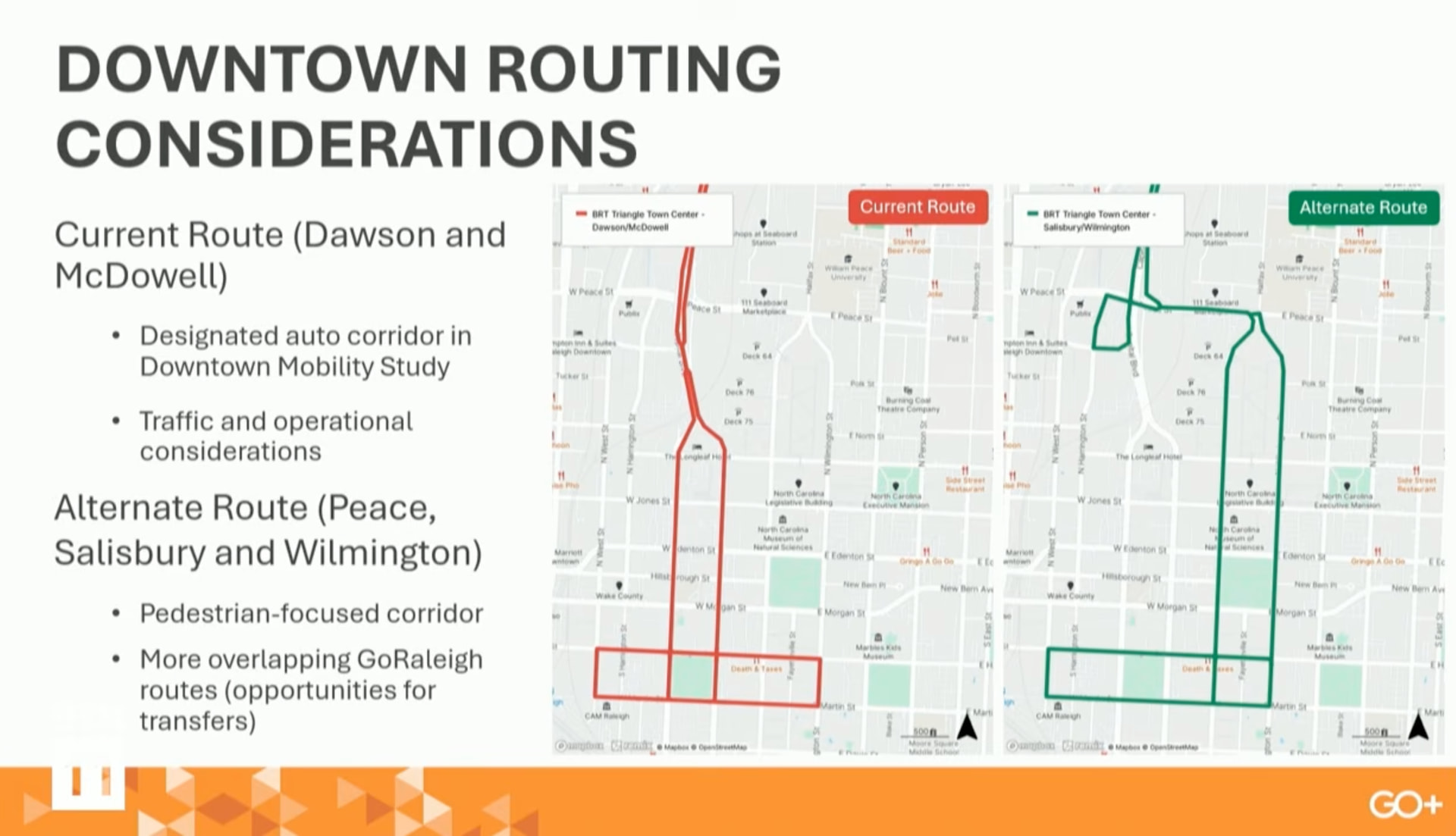
While there is a lot of public input/desire for a midtown corridor route, it’s looking much more likely that a full blown BRT route is more likely to happen up Capital Blvd to Triangle Town Center due to projected ridership and likelihood to receive Federal funding. That said, the council is asking about other alternatives to get to Midtown. Personally, what I like about service to Midtown is that the preferred route identified would go from downtown to the Iron District, to Midtown East (Costco/Wegmans/Trader Joe’s), and then up Wake Forest to St. Albans all the way to the OG North Hills.
What I think is interesting is that the focus seems to be about getting folks from north Raleigh to downtown, but I didn’t seem to hear in the report specifically about residents who are living downtown and where they might like/want/need to go. That’s just my 2cents, but maybe I’m incorrect about that?
Edit: our friend @JLambertMelton is now talking about throwing his support behind a Midtown route in addition to the Capital Blvd route, even if it’s a BRT light solution. He also backs the alternate Downtown route map! 
19 Likes
I find that route interesting as a downtown resident. My top 2 destinations I’d like to easily get to with public transportation.
- Lenovo Center
- Airport
9 Likes
CAMPO is working on a separate route for those locations.
8 Likes
While the 100 works for me, I’d like it better if it always went straight to and from the airport without stopping at the regional transit center.
2 Likes