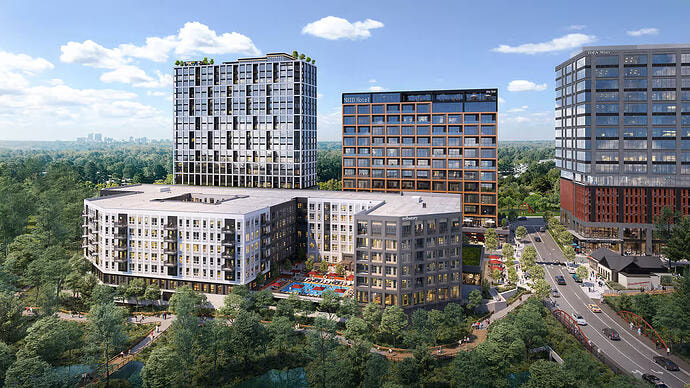
I maintain that Saks would do fine at North Hills, Crabtree, or Fenton.
8 Likes
I’d add that the limited number of luxury markets are getting even more stores. In South Florida, the developer behind Bal Harbour Shops has created a new luxury shopping model in the Design District just north of Midtown Miami. It’s not just for local shoppers either. Tourism plays a big part. Then there’s Brickell City Center that’s bridging a typical mall with a substantial number of luxury brand stores. There’s also all of the high end boutiques on Worth Ave. in Palm Beach.
2 Likes
I think the issue in the entire Triangle is there is no real dominant mall like in the Charlotte area. There is a pecking order in Charlotte the best stores and luxury retailers all at SouthPark, value and outlets at Concord Mills and Carolina Place with Belks Dillards JC Penney and Northlake Belks Dillards Belk Outlet and Macys. Northlake is our weakest mall.
Nordstrom going to Durham’s Streets at Southpoint precluded another location in Raleigh where I think the store would have performed better. If Nordstrom had gone to Crabtree that would be the dominant mall in the region. But now you have North Hills without a department store anchor gaining more of the luxury stores and the general interest in mixed use open air projects like this. TTC was never a good location for a luxury retailer just as Carolina Place Mall in Pineville (south Charlotte) was. I would love to see a department store even a small location at North Hills but not sure Kane would be interested as you can get more rent out smaller retailers than one larger anchor.
Triangle Town Center needs to be demalled and shrunk significantly and made into a mixed use complex with lots of apartments, even townhomes, hotels etc.
If you split the Triangle into 2 metros like the Census bureau does (I disagree with this) but then Durham Chapel Hill has one dominant mall Streets of Southpoint and Raleigh has one dominant mall Crabtree.
As for the Mall at Green Hills it might be the best mall in Nashville metro but does not hold a stick to SouthPark in Charlotte which is the best mall by far between DC and Atlanta. But again all of luxury stores go there.
11 Likes
That might be one part of the equation, but I don’t think that the Triangle is that big of a luxury brand market. While the incomes are certainly there for the Triangle, I just don’t think that most of the populace cares.
I do agree about Nordstrom. I think that they’d do better at Crabtree simply because there are just more people around it. Heck, Raleigh alone has about the same population of Durham and Orange Counties combined.
I can easily see Bloomingdale’s in Raleigh, and I can also see stores like Design Within Reach (which is coming to North Hills), Burberry, and some other higher end brands, but I can’t imagine the Triangle supporting stores like Alexander McQueen, Balenciaga, Fendi, Givenchy, Hermes, Moncler, Louis Vuitton, etc.
Losing Saks means that the Triangle loses access to some brands that they carried exclusively, but it might also means that some of those brands start considering the Triangle for a store.
9 Likes
Looks like there’s less grand strategy to it than I had expected. The go-forward store list shows:
Saks only:
- Boston
- CT - Greenwich
- FL - Naples
Overlap markets:
- Atlanta
- Detroit - Troy
- Houston
- LA - Beverly Hills
- Miami/Coral Gables
- NYC (Saks + Bergdorf)
- Palm Beach/Boca Raton
Neiman Marcus only:
- Austin
- Charlotte
- Chicago
- Dallas/Ft. Worth
- Denver
- DC - Tysons
- Las Vegas
- NJ - Paramus, Short Hills
- NY - Long Island
- Orange County - Newport
- Orlando
- Philadelphia - KOP
- Phoenix - Scottsdale
- San Antonio
- SF - SF, Stanford
- St. Louis
- Tampa
Seems like the Saks name was just weaker nationally; they’re retreating entirely to top-15 metros, plus Naples with its rich old NYers. Neiman reaches down to top-25 metros; Charlotte and St. Louis are its smallest markets. Charlotte benefits, as pointed out above, from having a single dominant mall – retailers of all stripes, and especially luxury retailers, flock together and all want to be in one mall.
4 Likes
It makes me wonder if we’re going to see a contraction down to one nameplate luxury retailer across the country. It feels akin to the whole Macy’s consolidation we saw back in 2005-2007.
2 Likes
Doesn’t Sakes already own Neiman-Marcus? That would take us to what, 3 luxury dept store chains?
2 Likes
Yes, Saks borrowed a ton of money to acquire Neiman Marcus and Bergdorf Goodman in 2024. I suspect the deal was a combination of ego on the part of Saks’ and NMG’s leadership and some great PowerPoint by Wall Street investment banks who surely described the deal as a financial paradise. (They always do.) Of course, the deal turned out to be financial hell – but when this happens, the investment banks have already pocketed their fees and just say, “Too bad! You should have known better.” Promptly after the deal closed, Saks entered dire financial trouble. They refinanced the deal in 2025 – giving the investment banks another round of fees – but that wasn’t sufficient. They’re still working through it, now in bankruptcy court.
The big winners now will be the lawyers working on the bankruptcy and companies like Epiq that manage claims.
1 Like
Saks Global is the holding company of Saks Fifth Avenue, Neiman-Marcus, and Bergdorf Goodman. The saga started from Hudson’s Bay Company, a Crown Corporation which was started in 1670 and spread across the Commonwealth. An American, Richard Baker was hired on at The Bay, first purchasing Neiman-Marcus/Bergdorf Goodman, and then Saks Fifth Avenue, creating an amalgamation of retail outlets to sell luxury goods.
Finding itself in a struggling position with a mountain of debt, that plan started to develop cracks, The Hudson’s Bay was first spun off and eventually liquidated. Then, Saks Global declared Chapter 11 here in the US. As part of reorganization plan, the former head of Neiman-Marcus was brought in, and has then gone through two rounds of store closures. A number of suppliers were then caught up in the process, electing not to ship them any new merchandise.
Getting a $1.2 billion cash lifeline this month, the suppliers starting shipping items to be sold. It’s a temporary fix, but the store closures have been landing on the Saks locations.
1 Like
Yes, my Canadian wife was very sad to see The Bay fold after such a storied history. Tho when I shoppes there it remindes me of Penny’s or Sears. Eaton’s was more upscale, but alas they went under first.
Belks is in a tricky situation as well, having be bought by an equity firm from what remained of the family. The whole retail segment is struggling. The future of the deparrment stores, luxury and otherwise, will be interesting to watch
On a side note, I remember when it was a big deal that Raleigh was getting a Macy’s.
6 Likes
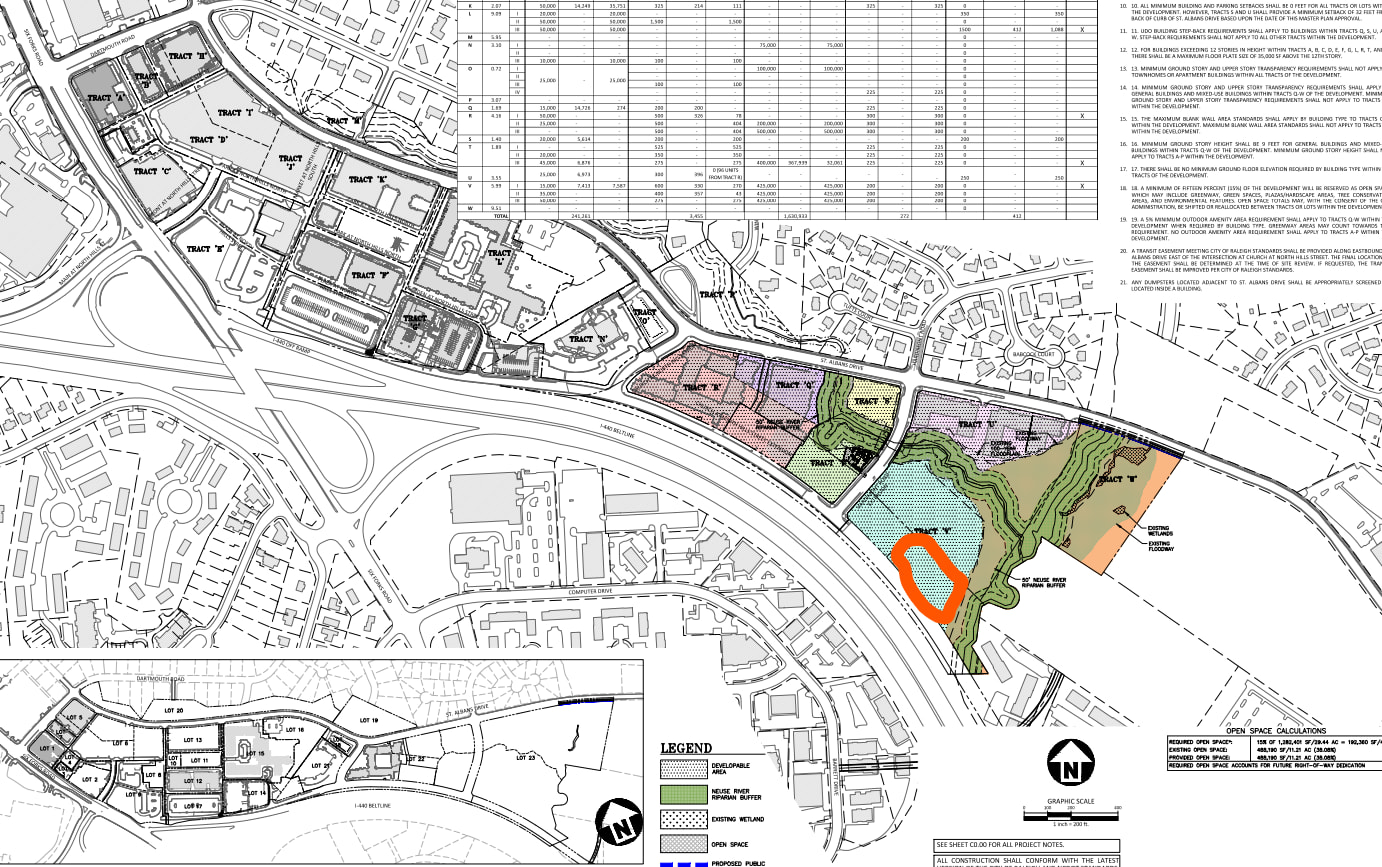
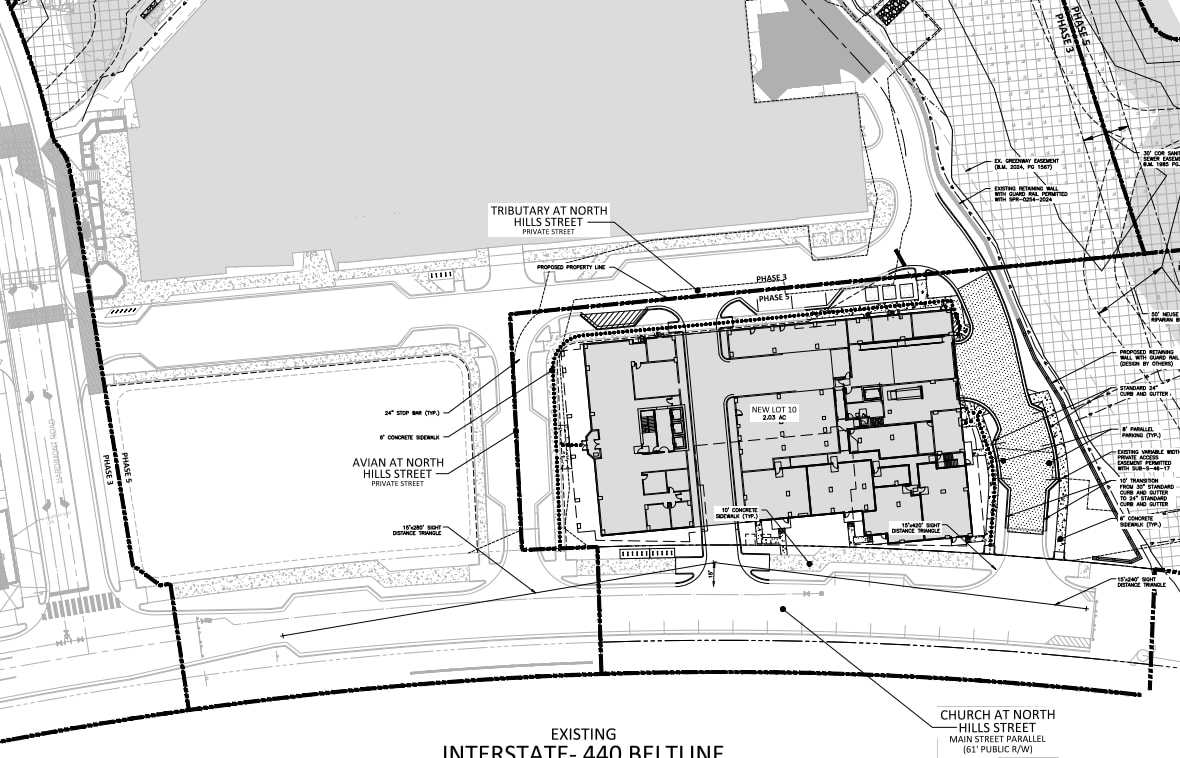
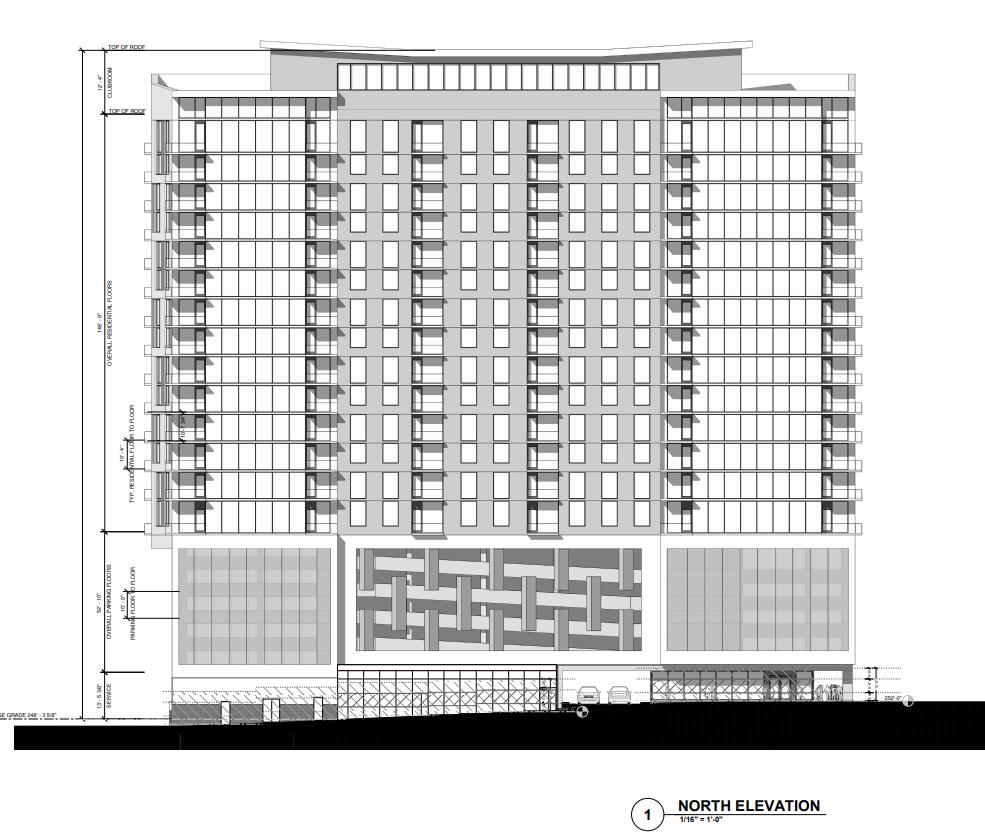
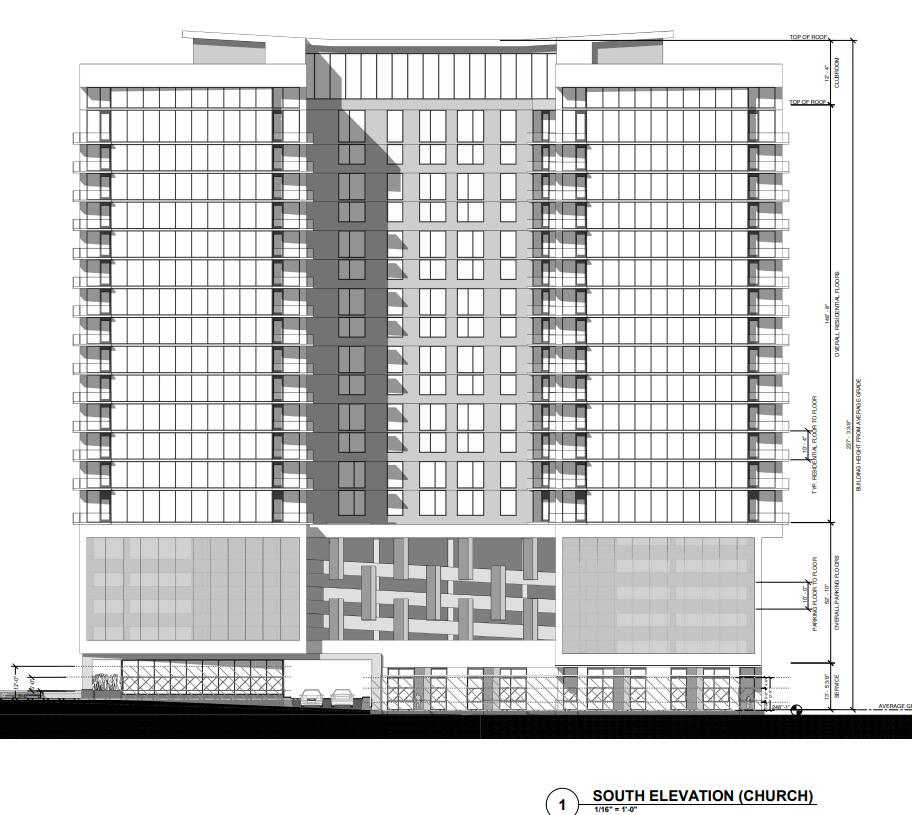
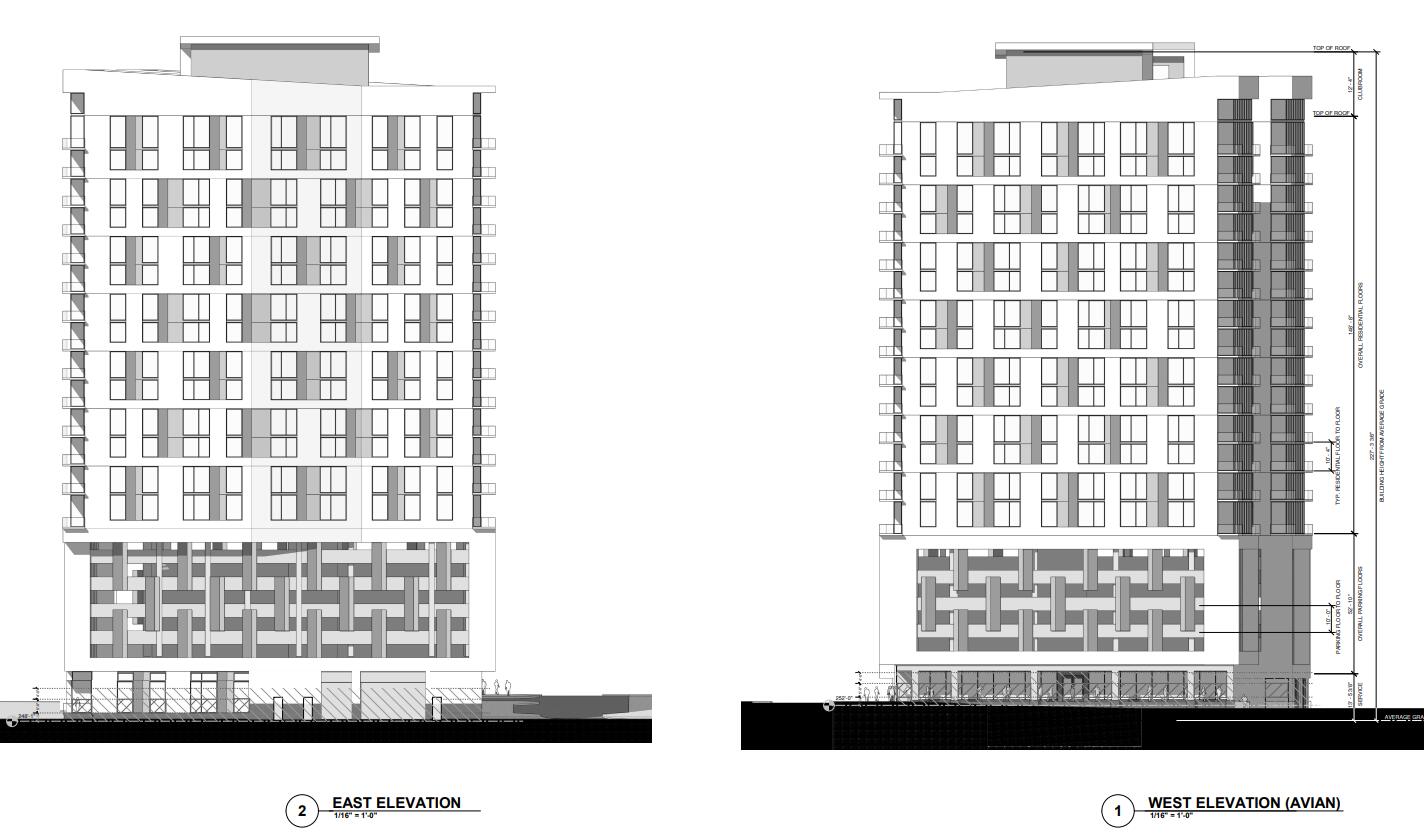
Stay tuned… ASR submitted on Friday for North Hills East Phase 5. Maybe plans will get uploaded this week or next…
18 Likes
10 Likes
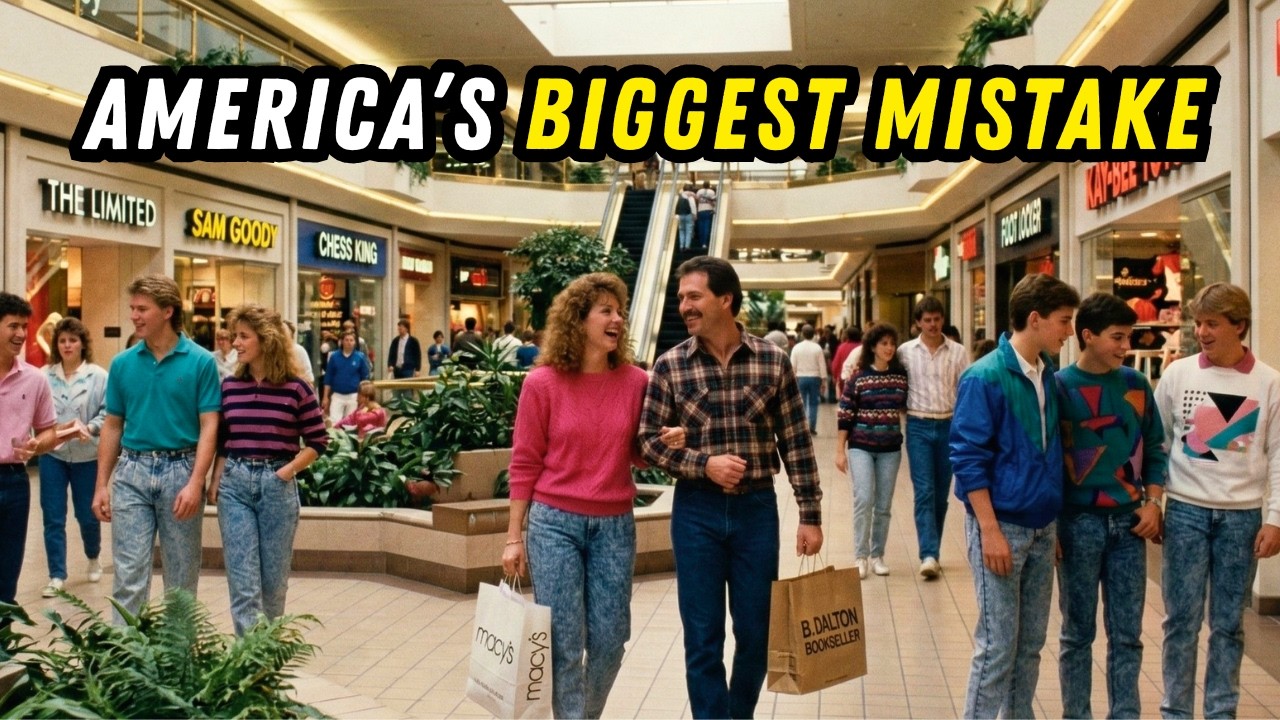
That was a really interesting video. Thanks for sharing it.
2 Likes
It just seemed to me that there were so many parallels to what Raleigh is dealing with today, including too much mall space, a shift to outdoor lifestyle centers like North Hills, Fenton, Village District, and the outdoor space at Southpoint, and the resurgence of downtowns proper.
5 Likes
It seems like in the not too distant future we’ll be down to two enclosed malls in the Triangle, (from only 3) so I think we’re actually ahead of the curve on that front in a lot of ways.
2 Likes
20 floor residential building with parking podium. no retail but kinda makes sense since its tucked away in the corner of the site. Although Church St looks to be setup to connect through to Kane’s new Navaho Dr area.
17 Likes
I live near there. The shadows from this building will throw my property into a never-ending gloom of darkness. I am going to start a gofundme so you guys can pay the legal bills while I sue the city for shadow infringement.

9 Likes