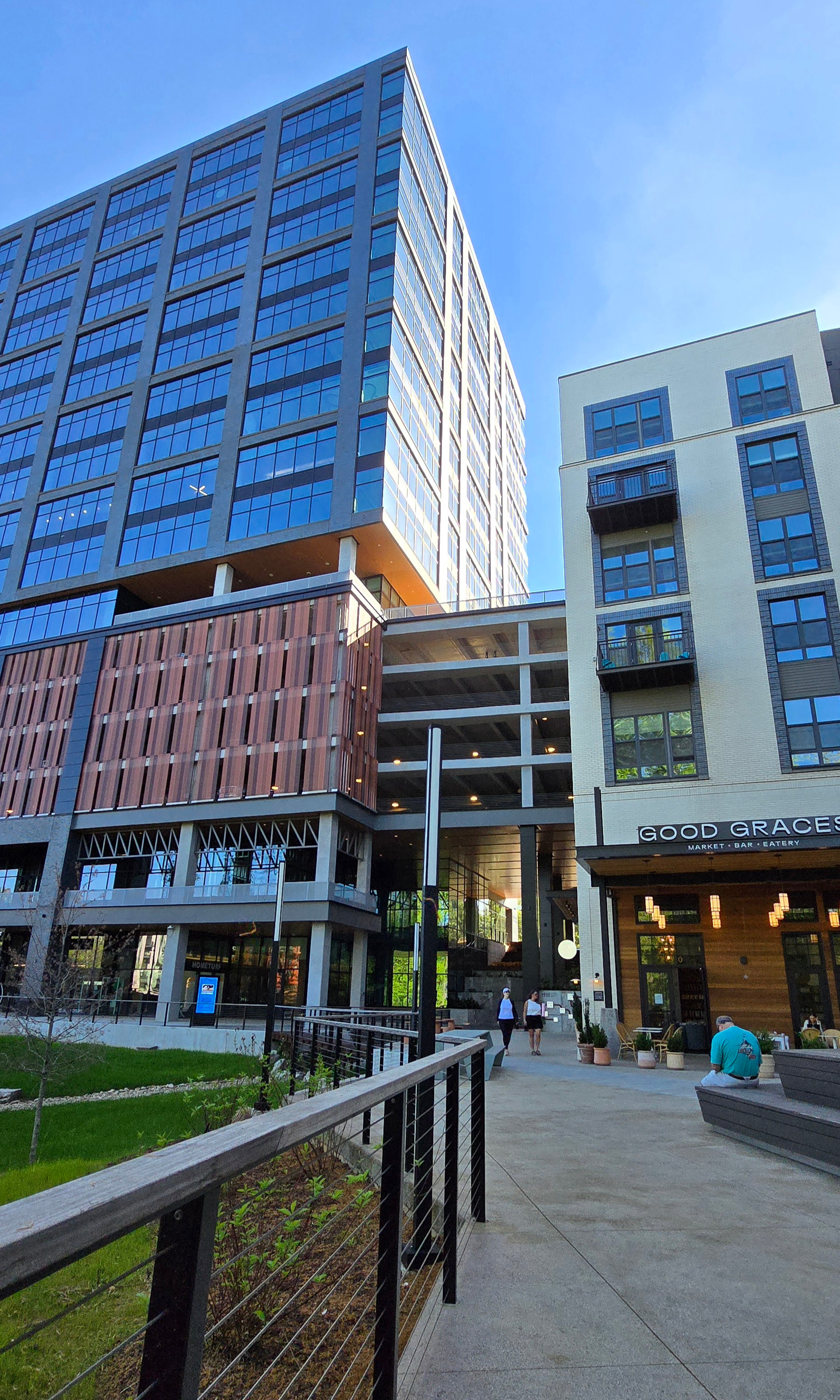
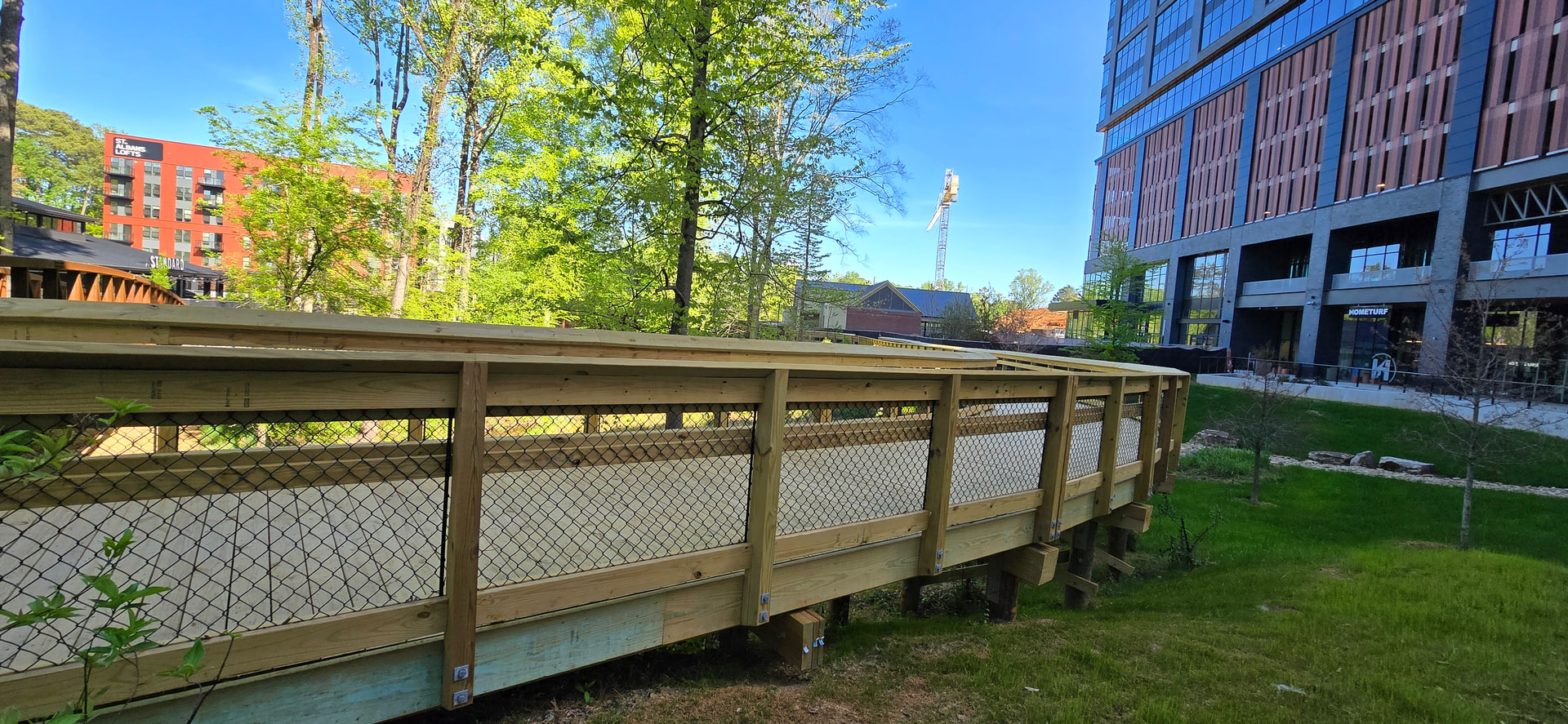
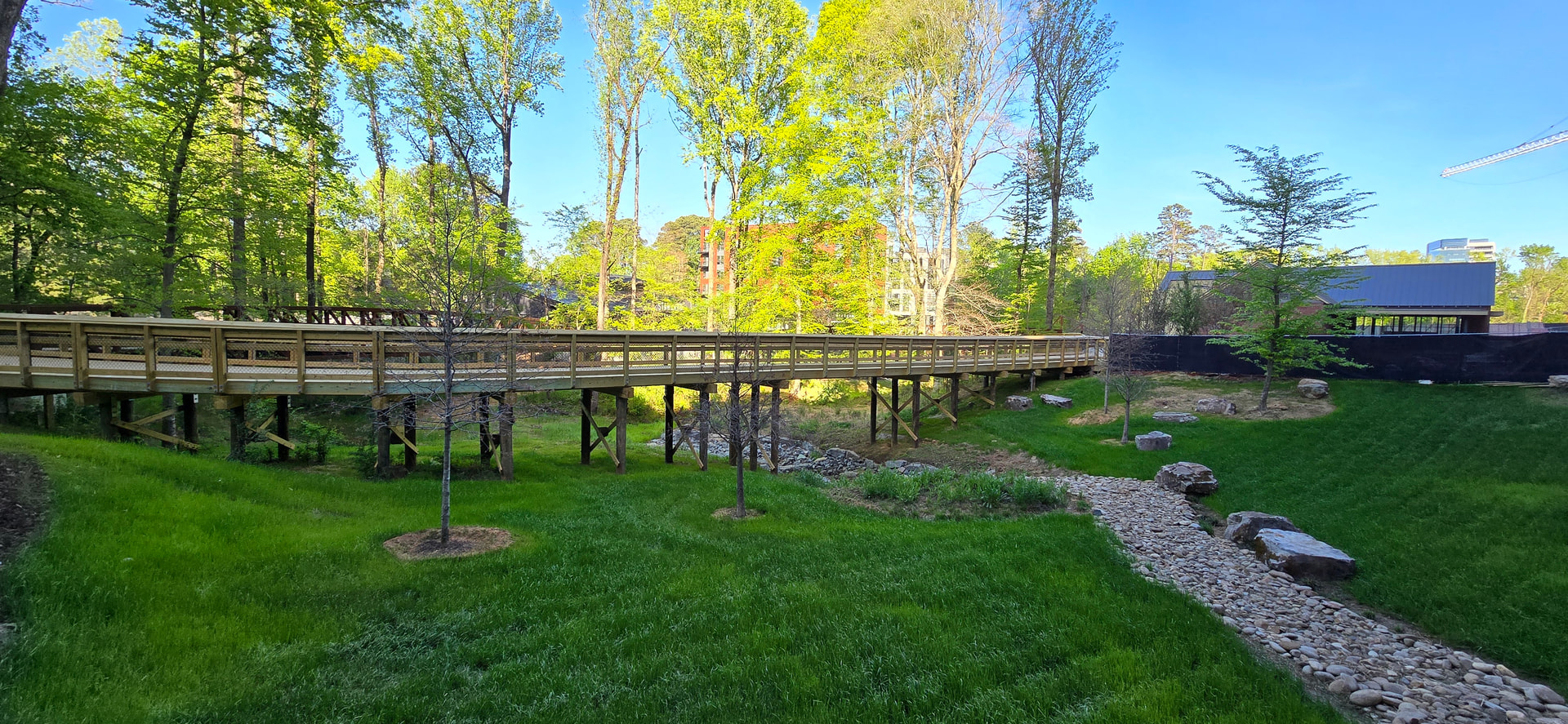
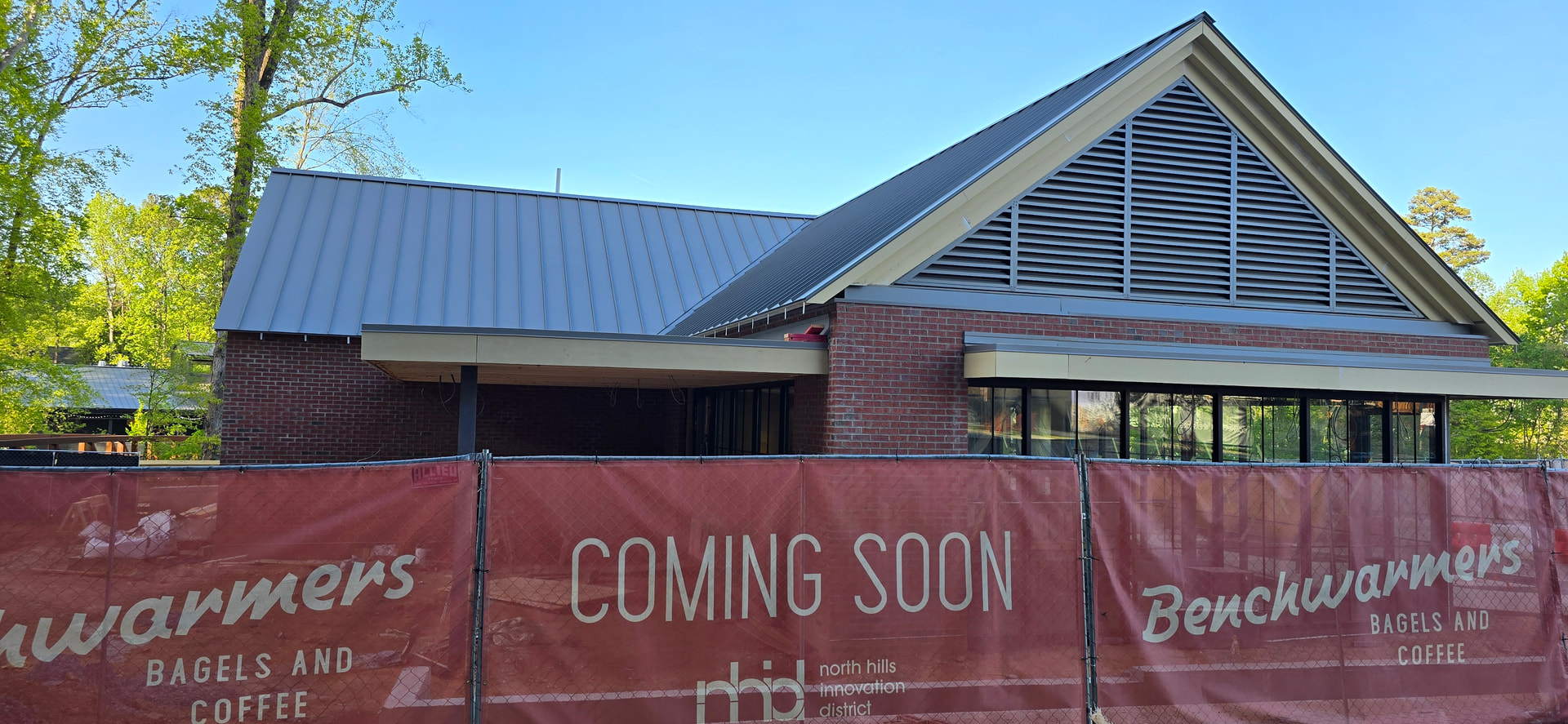
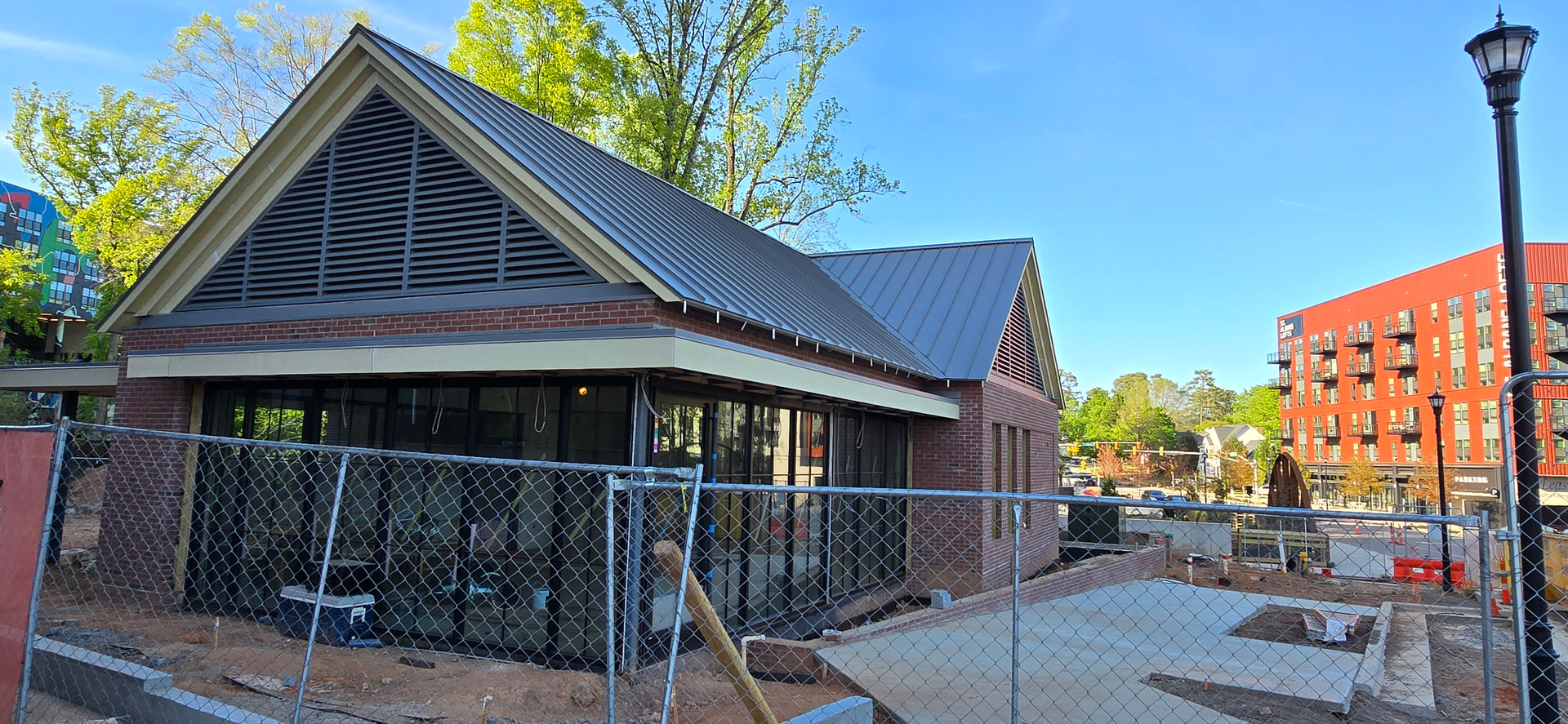
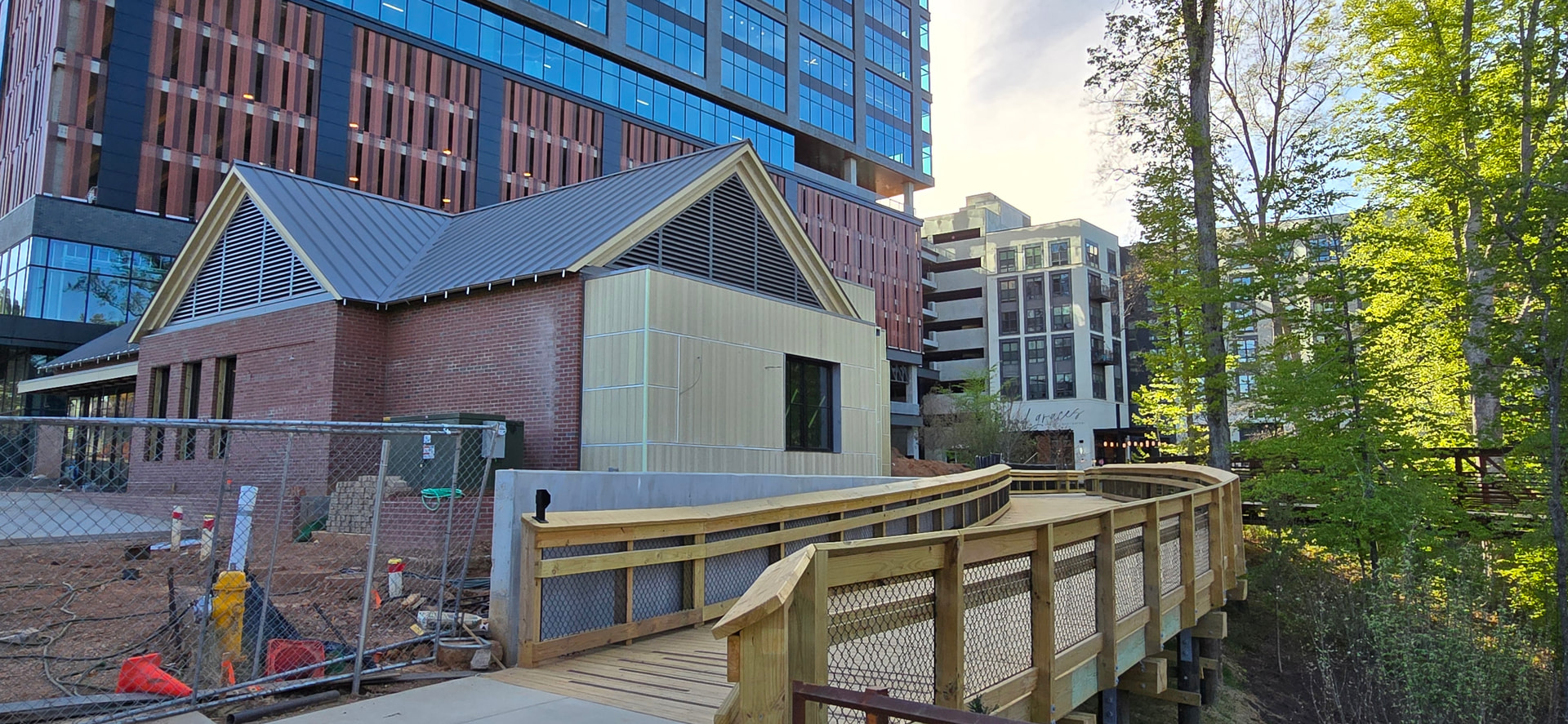
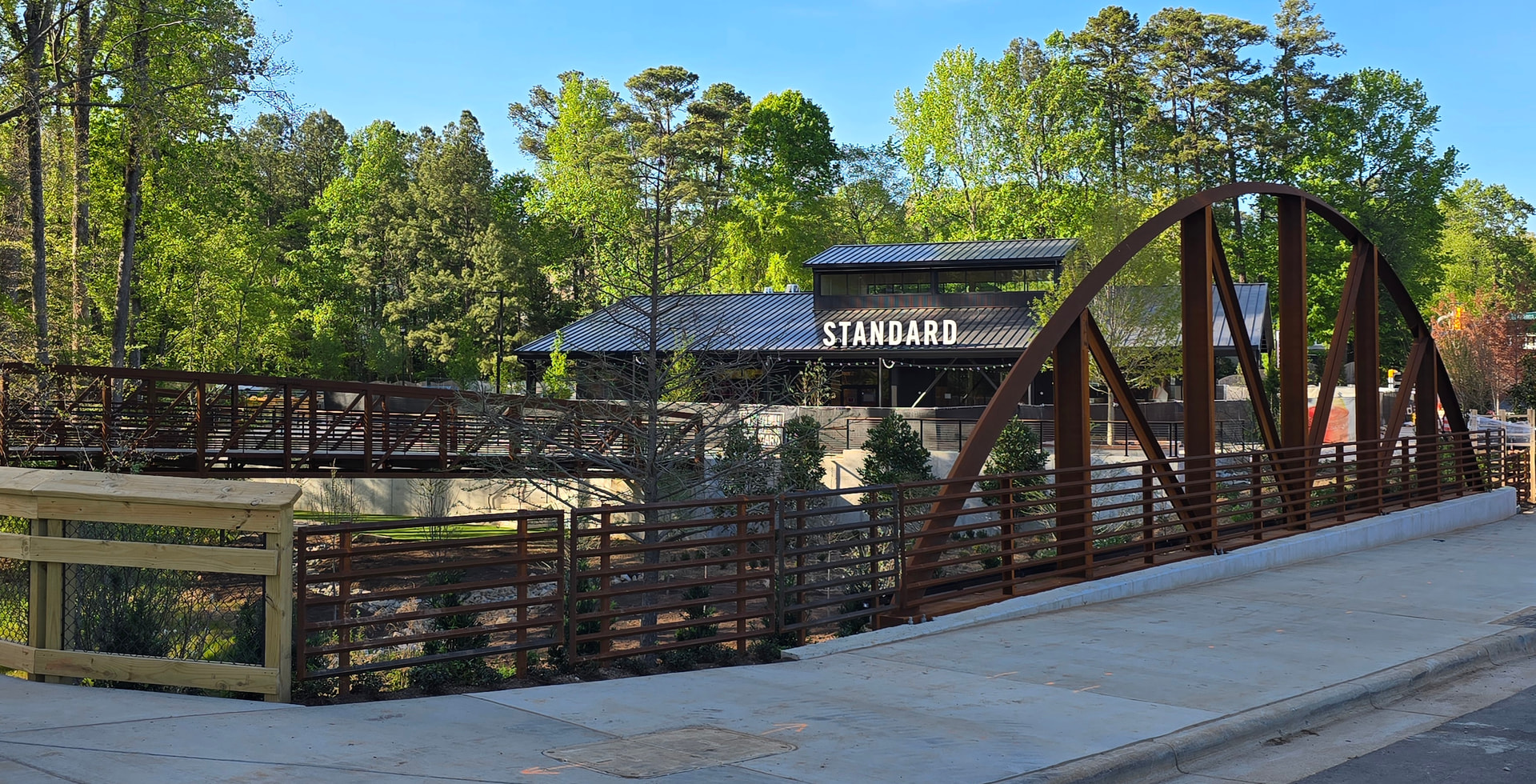
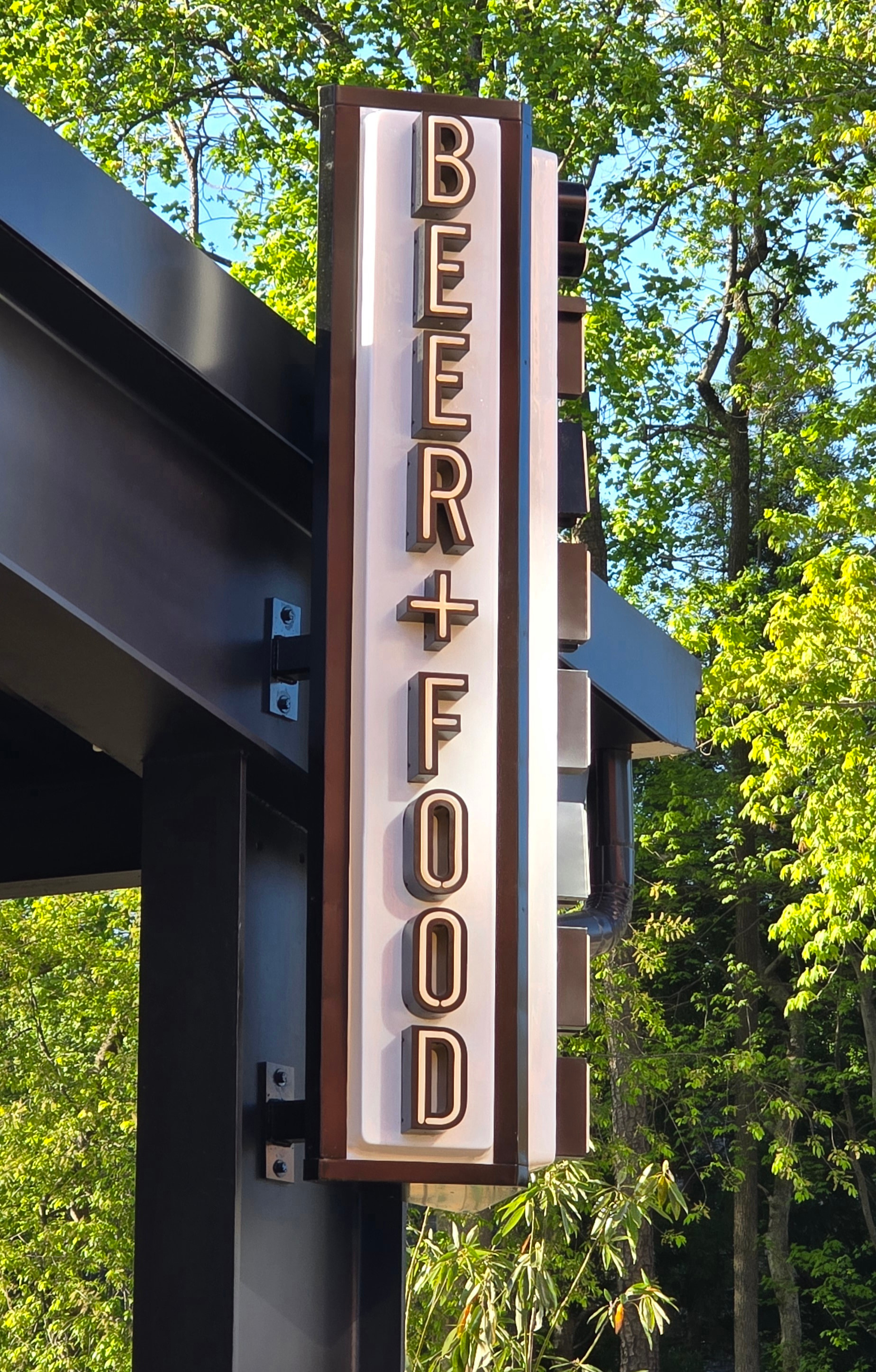
With Standard and Benchwarmers opening next month, and the greenway and bridges coming together, the Innovation District is looking pretty nice. Even had some people out and about this time.
Plus the next phase already underway:
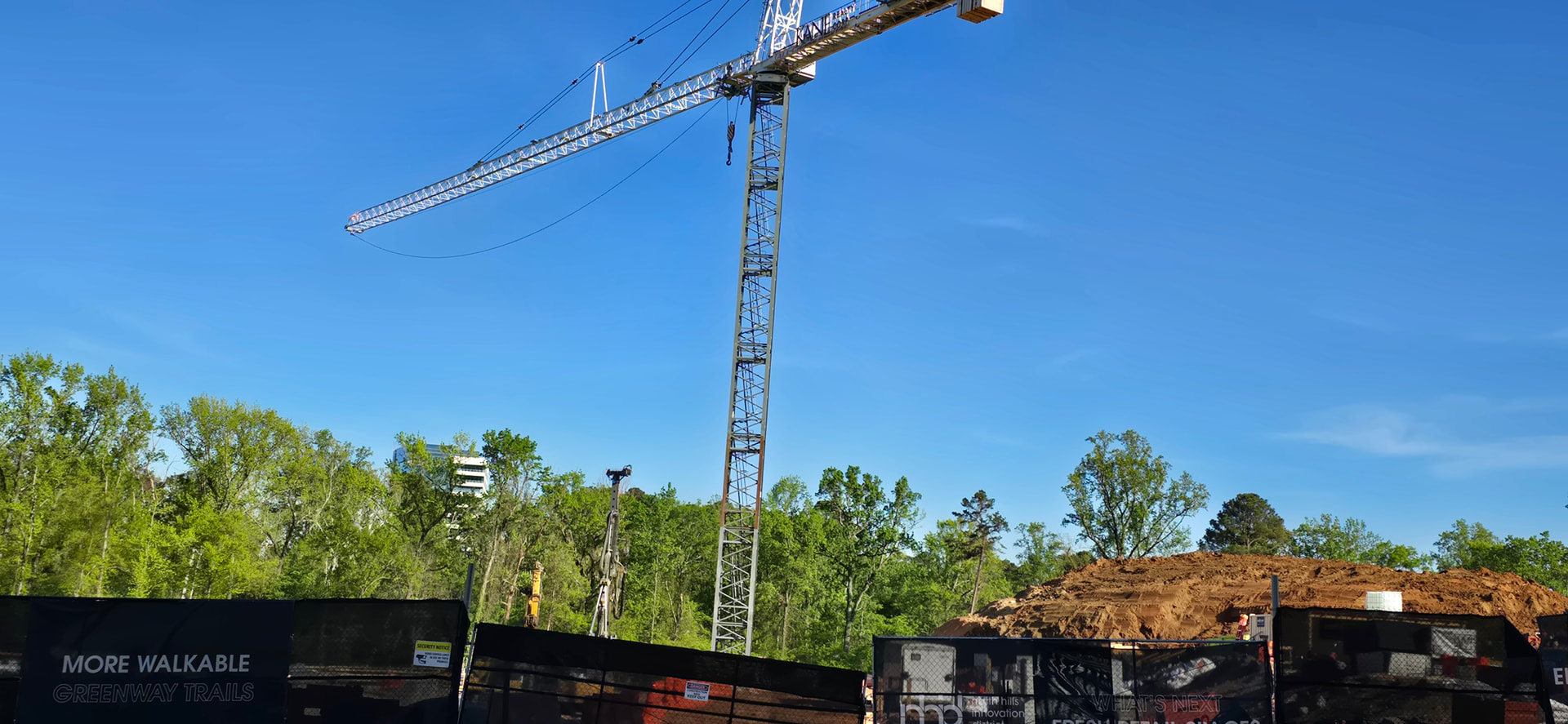
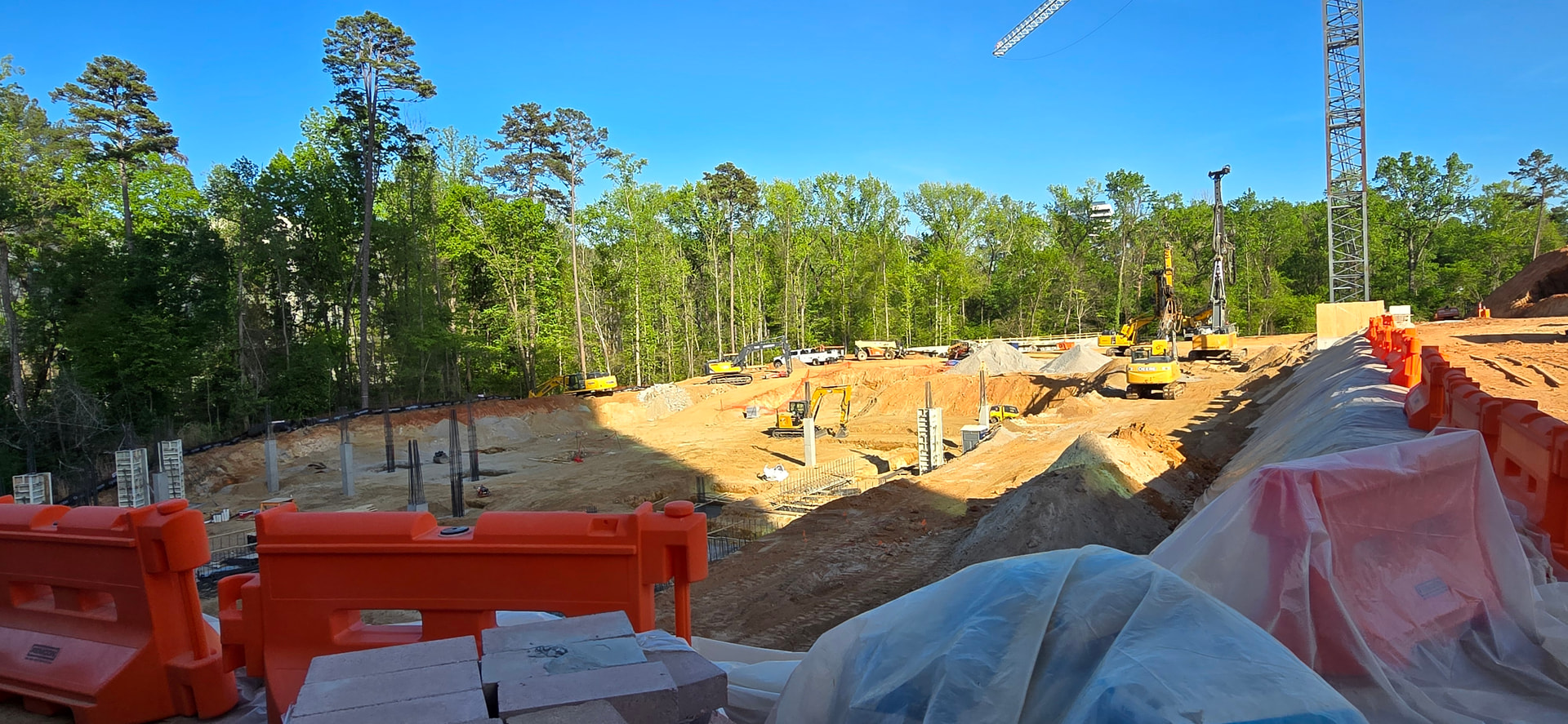
I do like to see some real green space in NH. The park by Chuys is more just a plaza at this point.
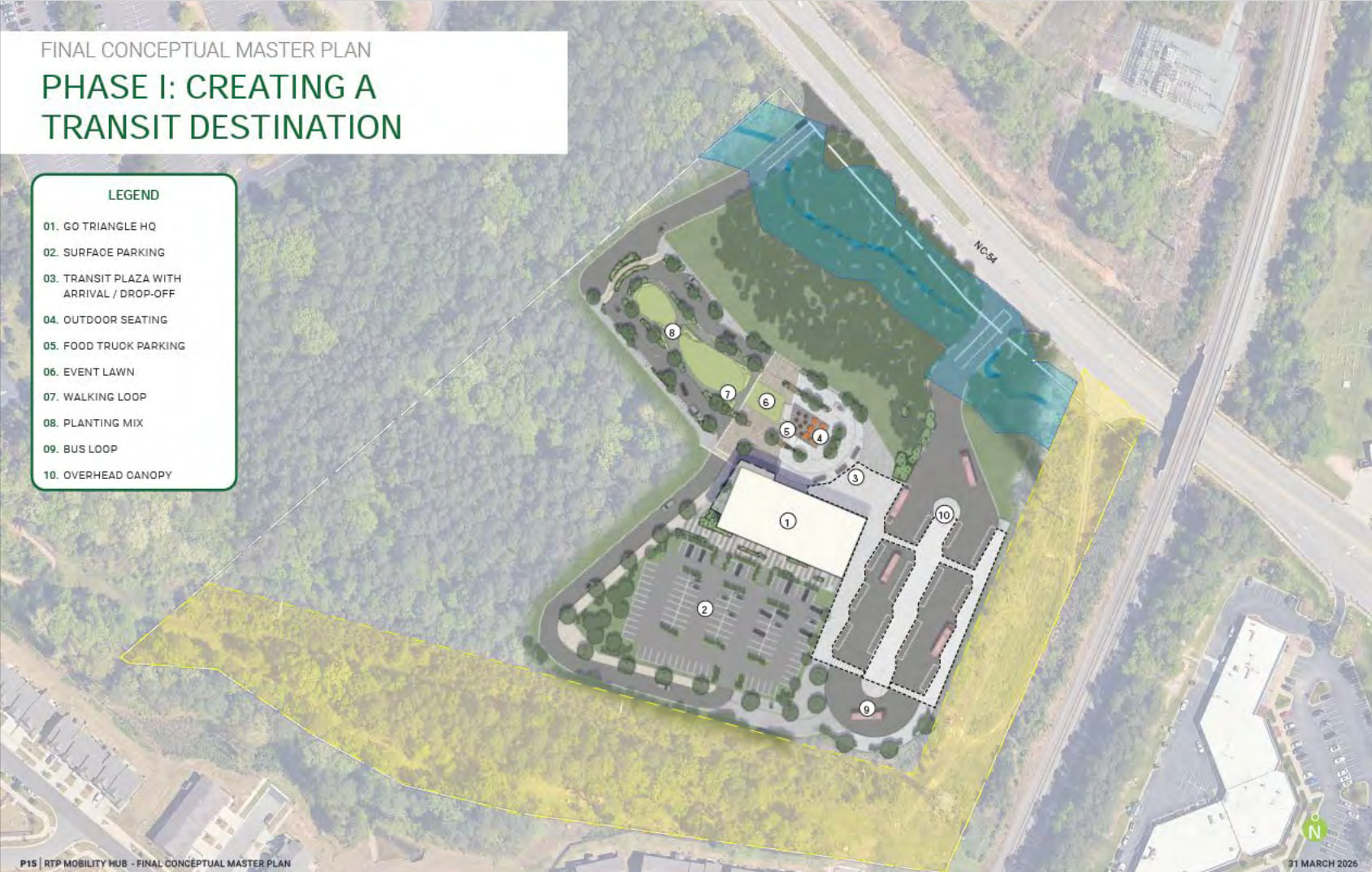
Following up on this: it looks like you’ve got your wish! The final conceptual plan has the bus bays much closer to the railroad, which is awesome. Where the mixed-use development will go, I’m not sure.
Another shooting at Triangle Town Center. Wasn’t there just one last week?

Yes, there was a shooting incident at TTC over a week ago. That was outside. This was inside at the mall side entrance in to Dillards.
Malls are largely dead. They certainly don’t need shootings.
I went to Crabtree I would say three weeks ago on a Saturday around 11am and it was feeling really empty. Not a lot of folks around.
Feel like you were just a bit early. I’ve been to Crabtree a few random times the last month or so (mostly in the afternoon / evening) and it was crazy packed each time.
In every major market, there are a select few malls which are thriving. And, there are other low-hangers which are failing - being demolished and reborn or re-engineered.
Approximately 1,200 large U.S. shopping malls remain, but projections suggest up to 87% could close or be repurposed within the next decade. Between 2017 and 2022, an average of 40 malls closed annually, accelerating from 764 total closures in previous decades, with high vacancy rates—over twice the average for other retail spaces—marking a decline often cited as “dying,” “troubled,” or "zombie malls.”
TTC is on the same downfall as Northgate Mall in Durham was before it closed; it will probably shut down by 2030. I predict it will be replaced by 1-2 suburban shopping centers, possibly a mixed-use development, and the rest will be low/mid-income apartments and/or townhomes.
Crabtree and Southpoint will still hang around for a long time, although I believe Southpoint will have to lean in to mixed-use development more than Crabtree.
Random thought, but why aren’t we turning places like Triangle Town Center into senior living / aging-in-place communities?
The more you think about it, the more it kind of makes sense:
-
It’s already fully handicap accessible
-
You’ve got wide, flat walking paths everywhere
-
It’s climate controlled (huge for NC summers + winters)
-
There’s a built-in “walking loop” that’s actually enjoyable
-
Old food courts = easy conversion to cafeterias / dining halls
-
Tons of parking + easy drop-off access
-
Everything is under one roof and protected from weather
Feels like it solves a lot of the problems senior living facilities try to design around from scratch.
You could convert former stores into private units, keep some retail-style spaces for things like a salon, clinic, small grocery, etc. It almost becomes its own little town without people having to go outside.
Also feels like a better alternative to isolating facilities. People could actually move around, see others, have some level of normal day-to-day activity.
I know zoning / ownership / cost probably complicate it… but from a pure “bones of the building” standpoint, it seems like 70% of the work is already done.
Curious if anyone’s seen something like this actually work somewhere?
“Greyfield” development is certainly a thing.
https://urbanland.uli.org/economy-markets-trends/turning-malls-into-neighborhoods
Not aware of a senior-living focused project near us. But from a quick search they are also very much a thing.
Classic model for a retirement community relies on a compact center with rings of housing for the more mobile within walking distance.
So, this is playing out in multiple places. A similar gray field redevelopment is going on back near my hometown

Chesterfield Mall in St. Louis closed permanently on August 31, 2024, and is currently being demolished to make way for a $2 billion “Downtown Chesterfield” mixed-use development. The demolition, which started in October 2024, will replace the mall with apartments, condos, retail, office space, and a park by 2027-2029. Only the former Macy’s and Dillard’s buildings are being preserved.
Key Details About the Redevelopment:
Project Name: Downtown Chesterfield
Status: Demolition began October 15, 2024, with completion expected by July 2025.
Future Plans: A 12- to 18-month grading and infrastructure phase is underway, with construction of new buildings anticipated to start in early 2027.
Final Form: The new area will feature high-rise buildings, retail, a central park, and residential units, transforming the former mall site into a city-center style district.
Surrounding Development: Nearby projects include Wild Horse Village.
The site, once a major shopping destination, is undergoing a complete overhaul to create a new urban-style environment in St. Louis County.
Another similar redevelopment that I’ve personally seen is happening east of Sacramento.
The Sunrise Tomorrow plan is redeveloping the 100-acre Sunrise Mall in Citrus Heights, CA, into a mixed-use “urban village” featuring housing, hotels, office space, and a 160,000-square-foot Sunrise Sports Center. The project aims to replace declining retail space with walkable areas, new dining, and entertainment, with construction on the initial sports complex phase potentially starting in late 2026 or early 2027.
Key Redevelopment Details
-
Sunrise Sports Center: A public-private partnership with The Mettle Shop and Talon Capital Partners will create a 160,000 sq ft facility, featuring NHL-sized ice rinks, turf fields, and a 4,000-seat arena.
-
Site Transformation: The plan calls for reducing retail space and adding residential units, hotels, and office spaces to create a 24/7 destination.
-
Green Network: Included in the proposal are a walkable main street, open spaces, and a “Green Loop” path.
-
Timeline: The sports complex, serving as a primary anchor, could see construction begin in 2026-2027, with an opening target of 2028.
-
Economic Impact: The redevelopment seeks to boost city tax revenue and generate over 2,000 jobs.
The biggest stumbling block has been coordinating various property holders into participating. TTC will likely be the same until the Macy’s and Saks buildings are sold.
Let’s hope that our BRT north line strategy isn’t relying on that mall. By the time the line is open, the mall may not exist.
On the flip side, the BRT could be feeding a larger population of multiunit dwelling residents heading downtown. Or, TTC is redeveloped as City Hall North. Then, there could be balanced ridership in either direction.
I would be shocked if that mall makes it to the time that north line is operational. It definitely needs to be something completely different and there’s a hell of a lot of land there to do something more meaningful for the city residents’ needs.
I believe route 1 is the busiest route in the system, and that route roughly follows the proposed TTC branch of the BRT, terminating at the dead mall; the TOD rezoning effort for the North BRT might even accelerate the timeline for redevelopment of the mall, with the city likely to initiate a massive upzoning of the property.
Both this mall and the entire Brier Creek strip center need to be densified and reimagined.
Isn’t it funny that the only traditional mall that continues to thrive in Wake County is the one that’s the most land constrained?