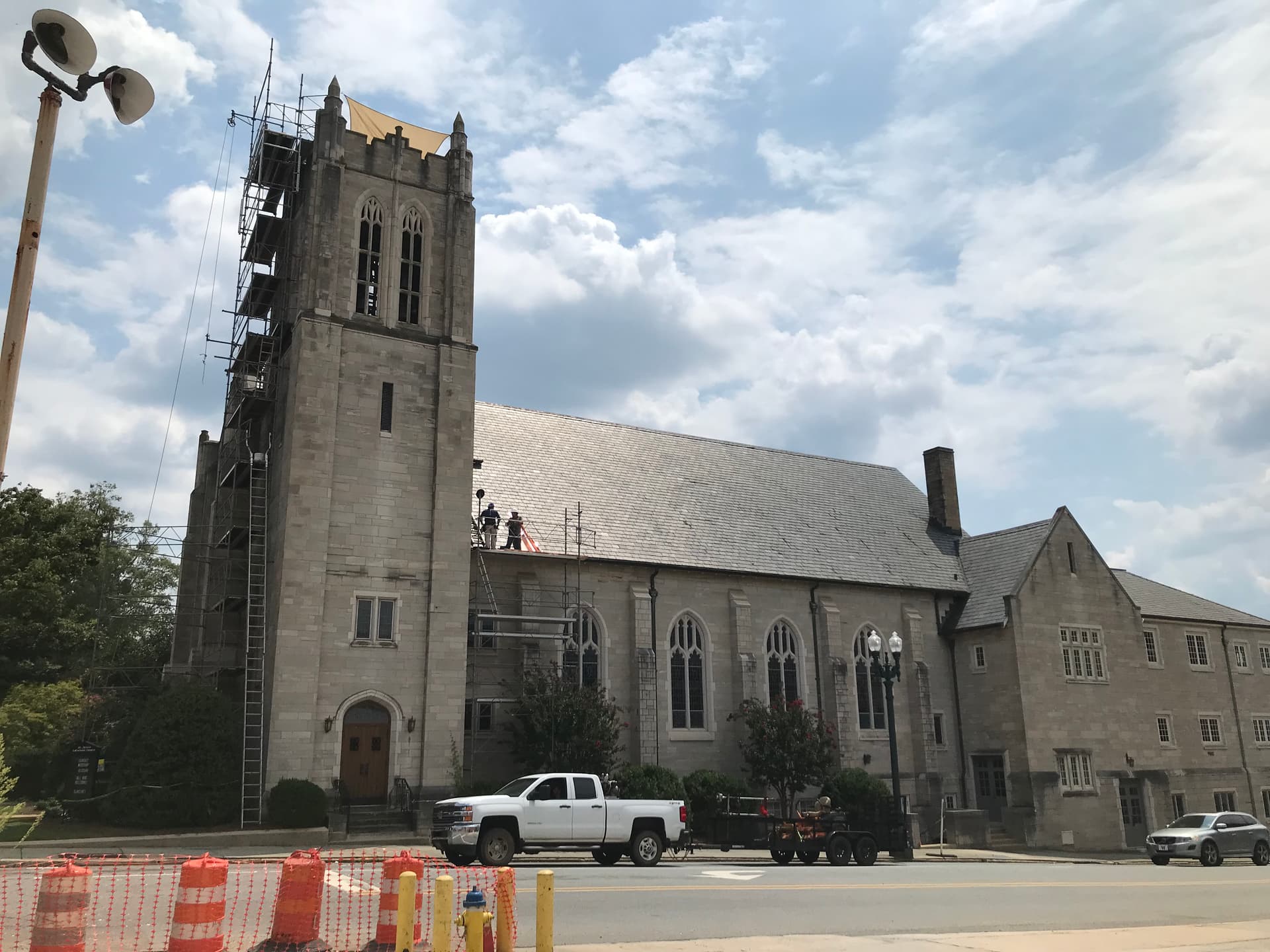
I too lived and worked off of Westheimer. (Actually the second image from another building was pretty much my exact view from Marathon Oil Tower for 3 years )
Visited for the first time in a while this year and couldn’t be happier living here in the Triangle. The quality of life is so much higher and the background stress of living in a giant crisscross of highways and parking lots can’t be underrated. They certainly have us beat on the food front though.
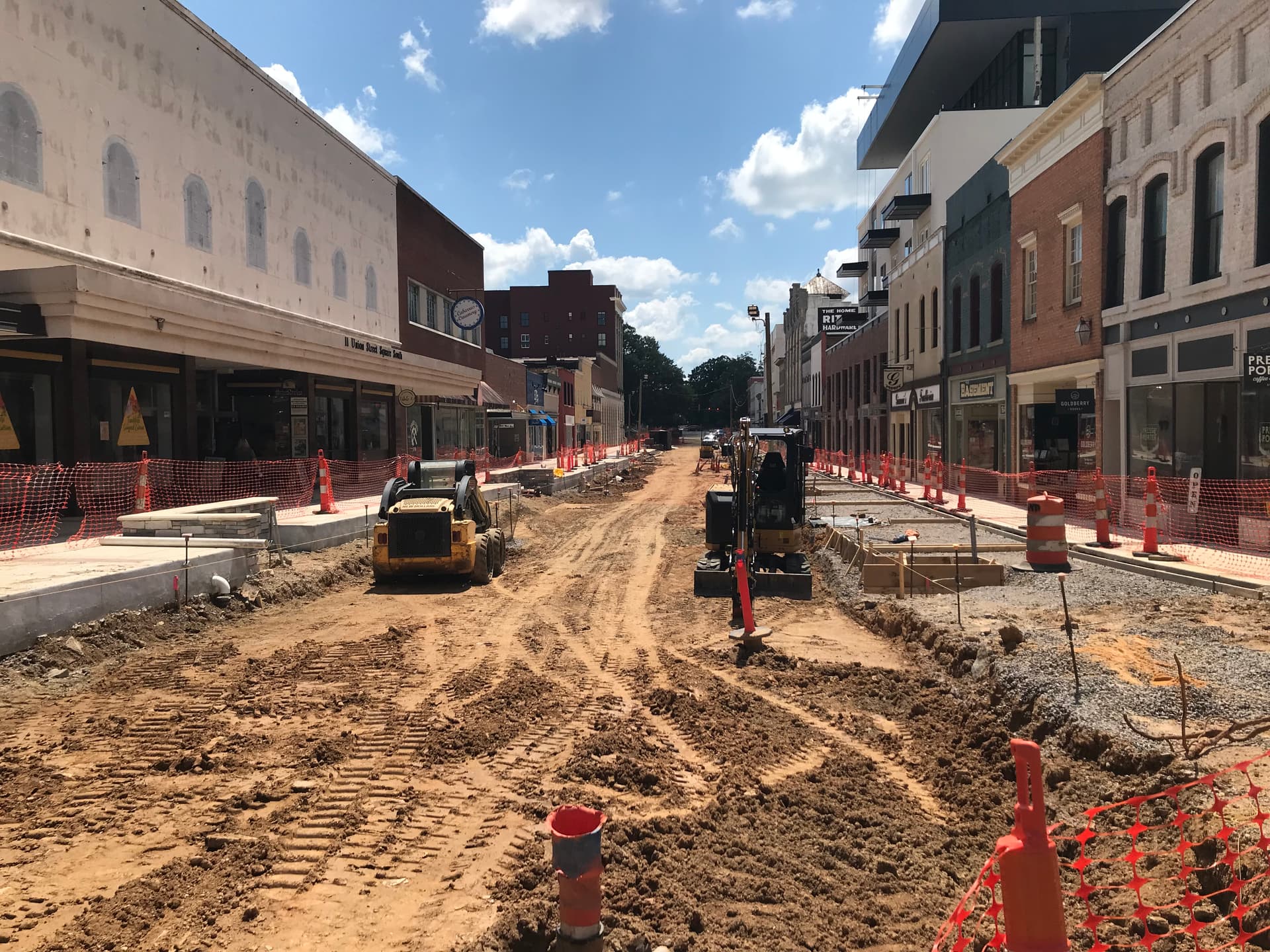
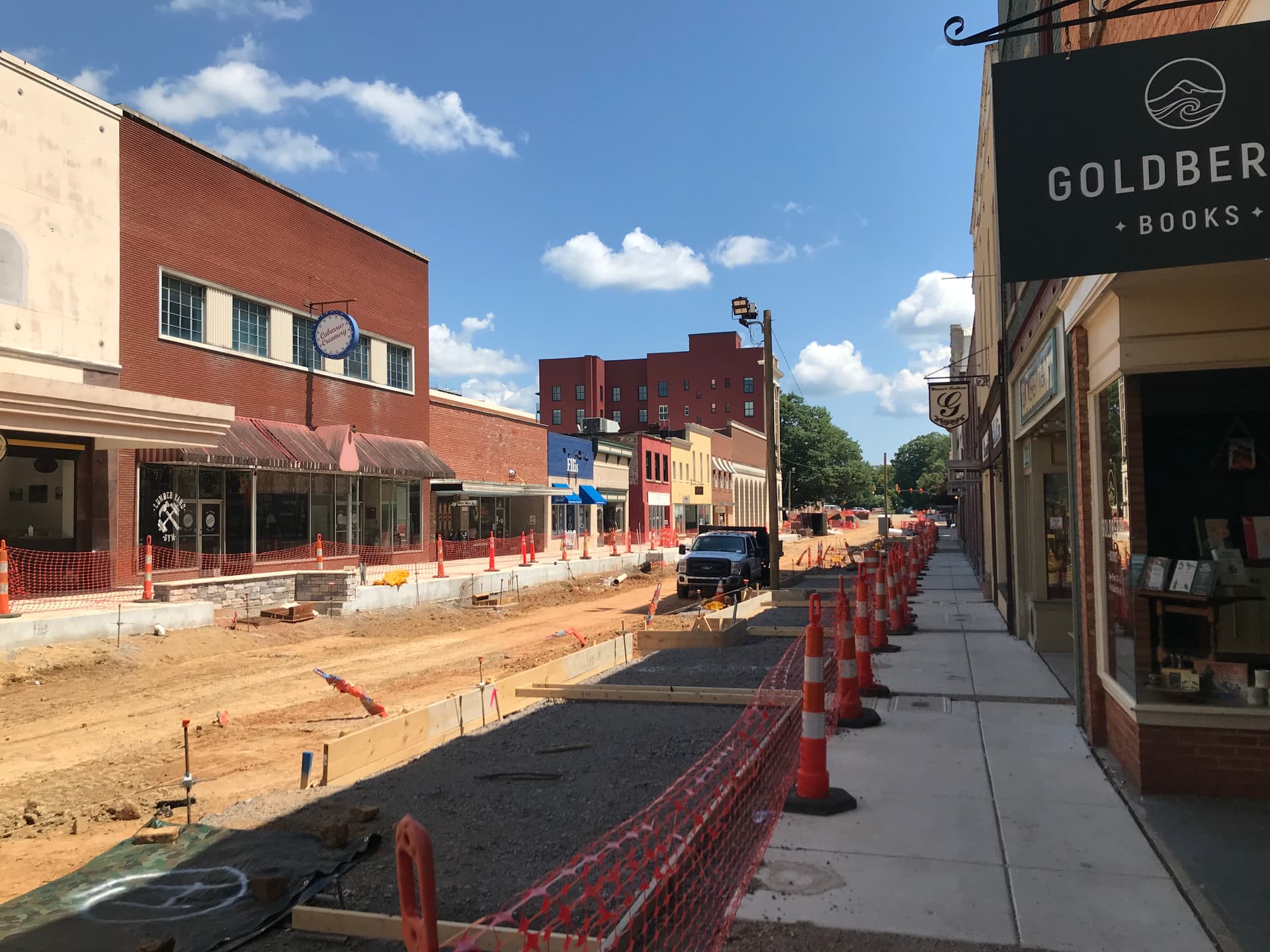
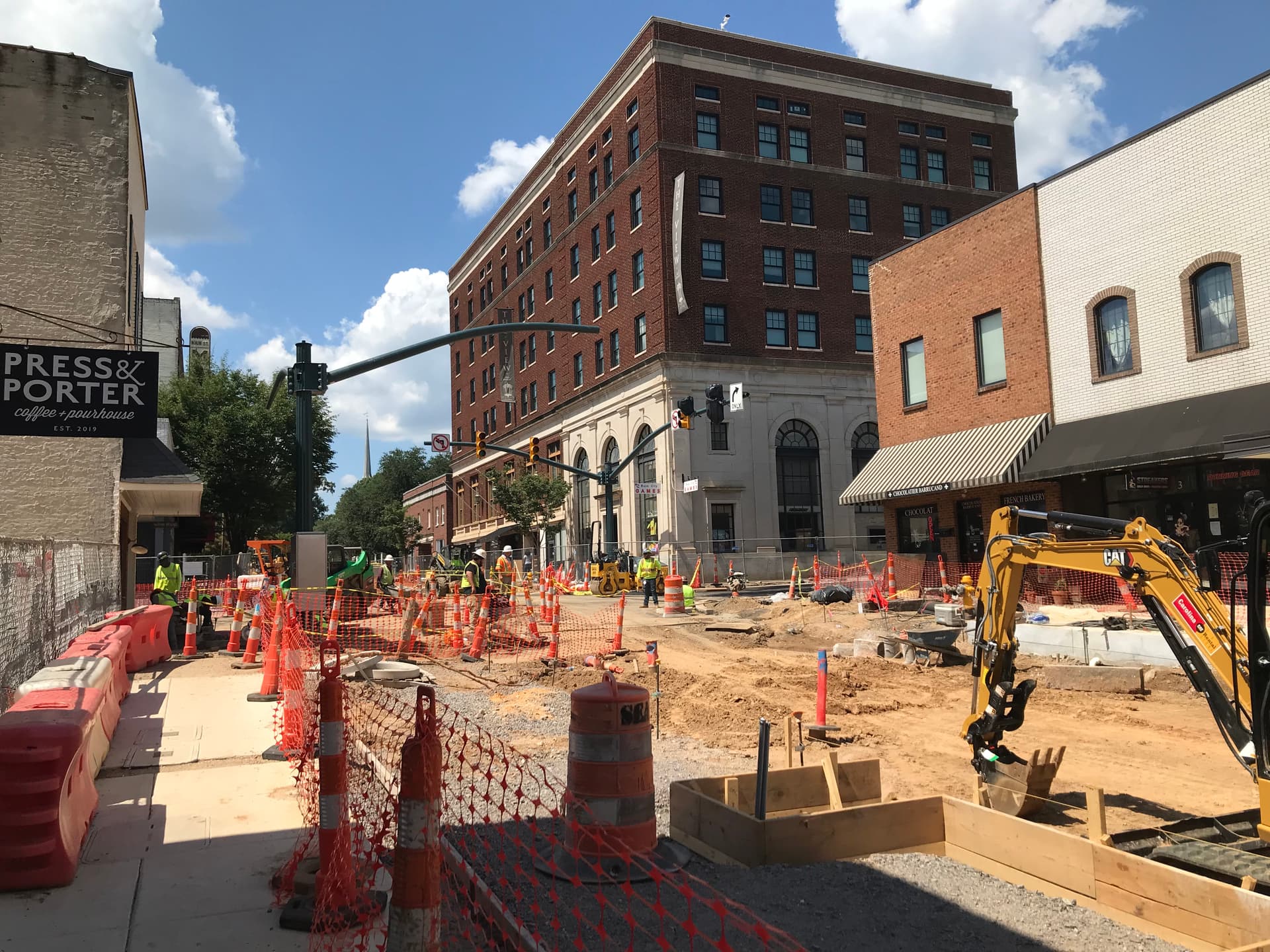
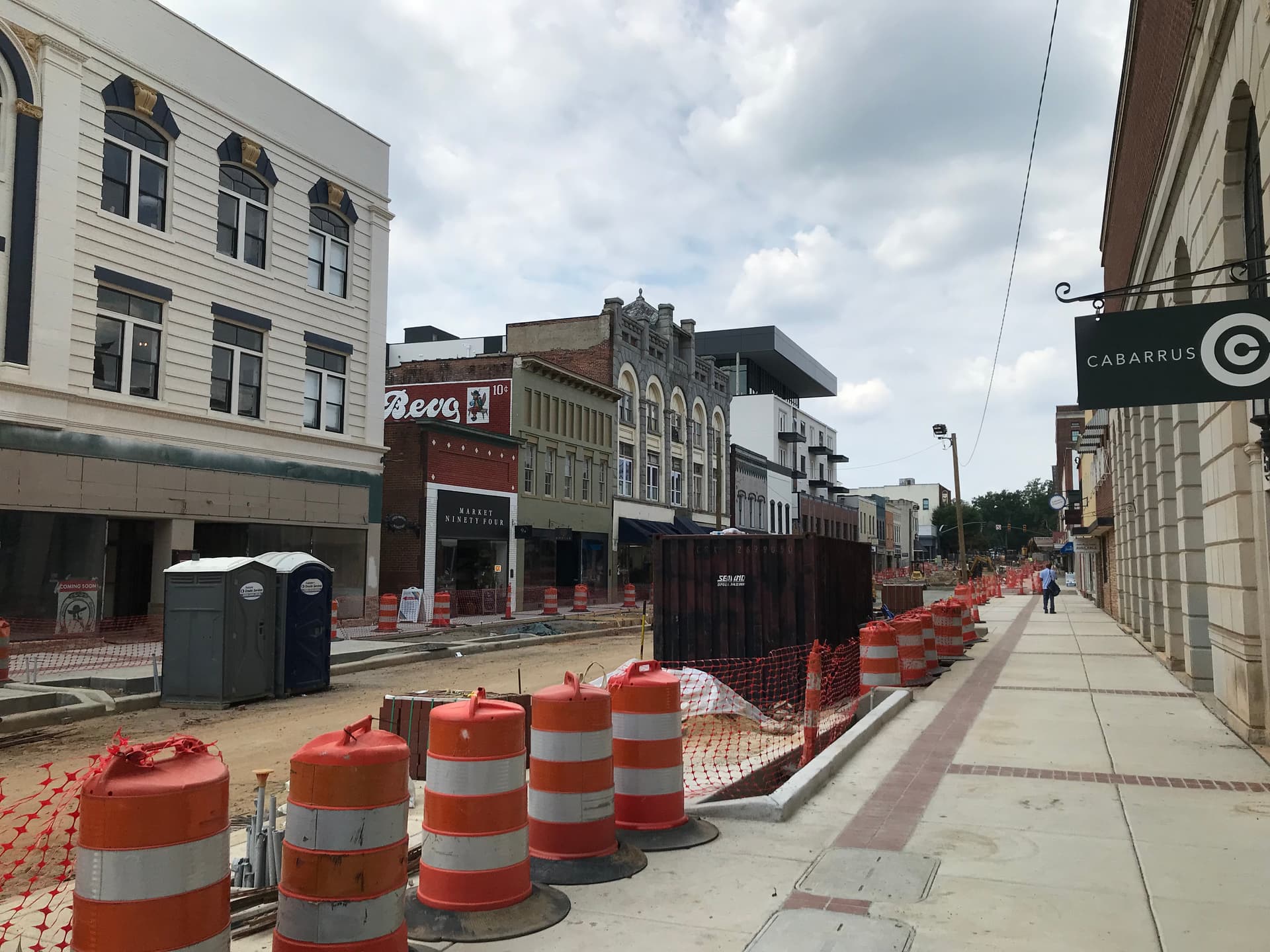
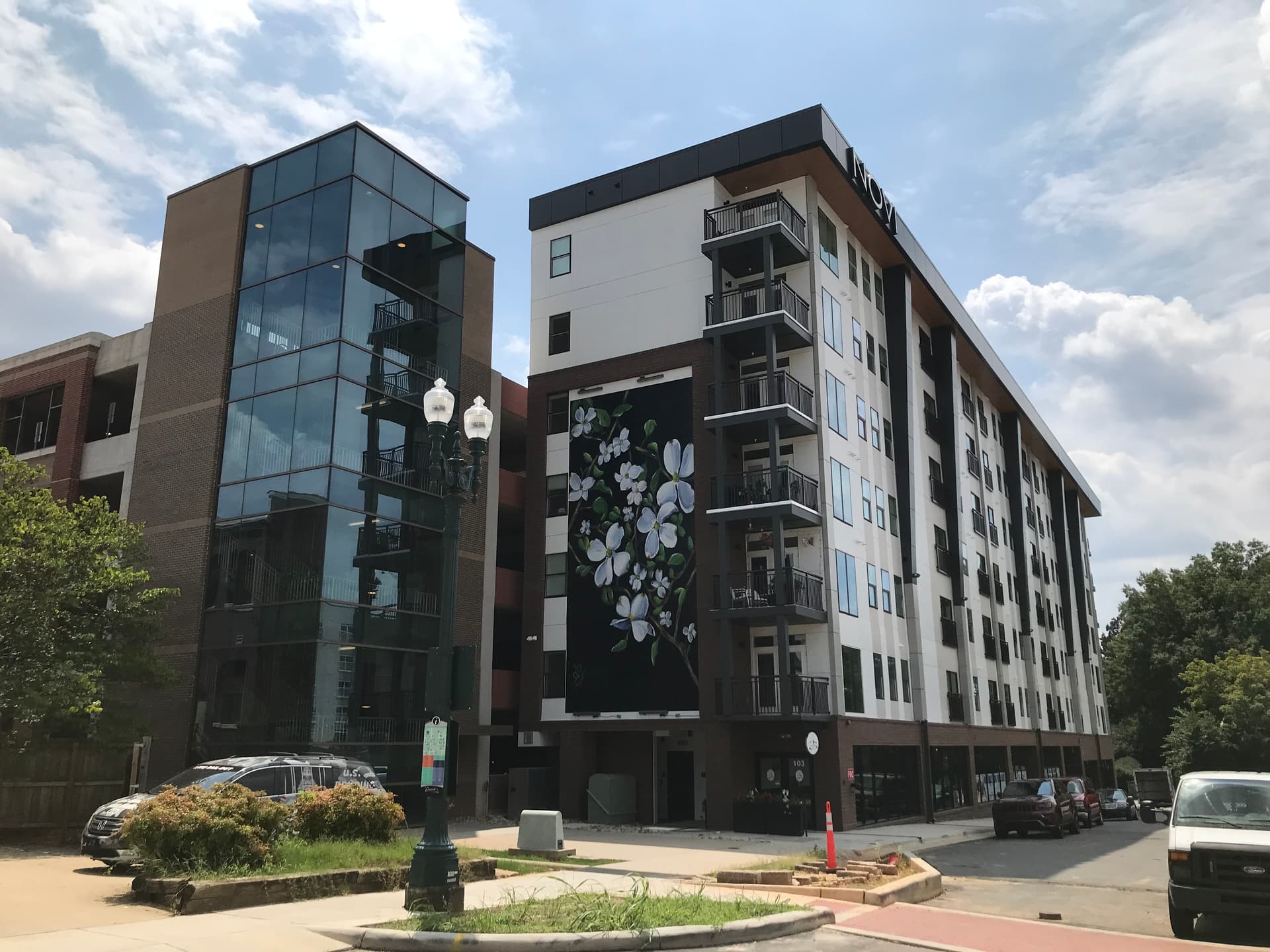
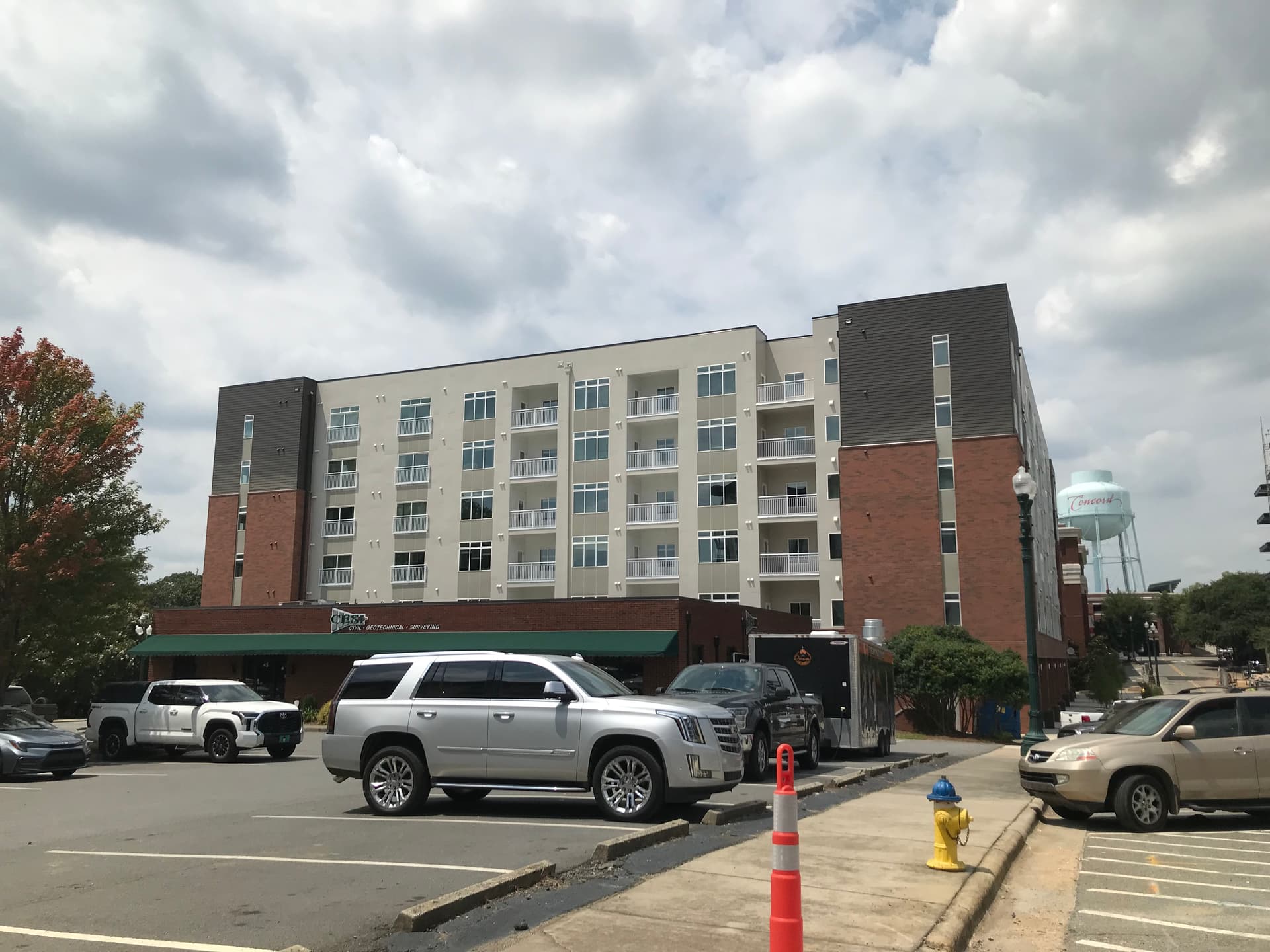
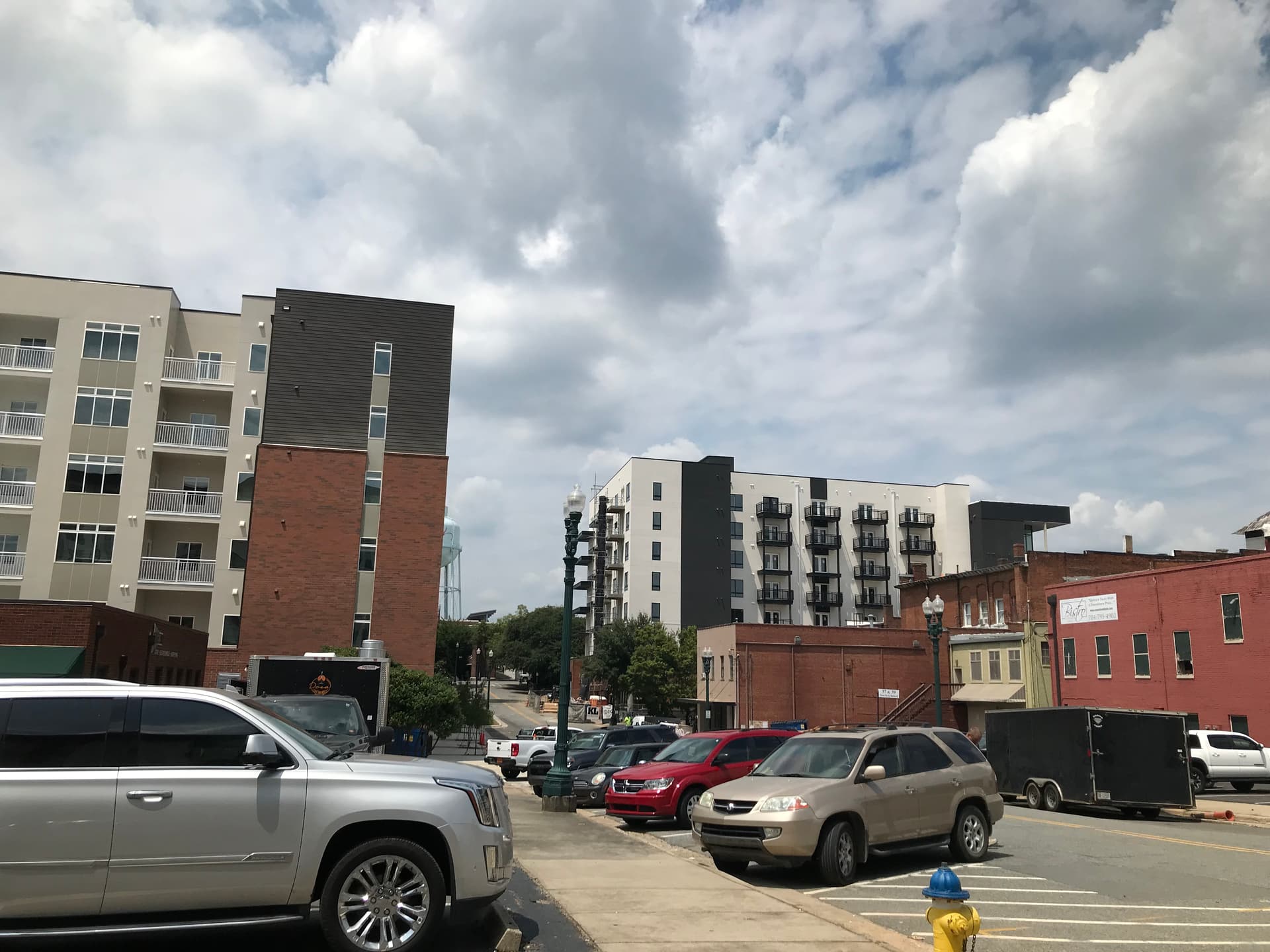
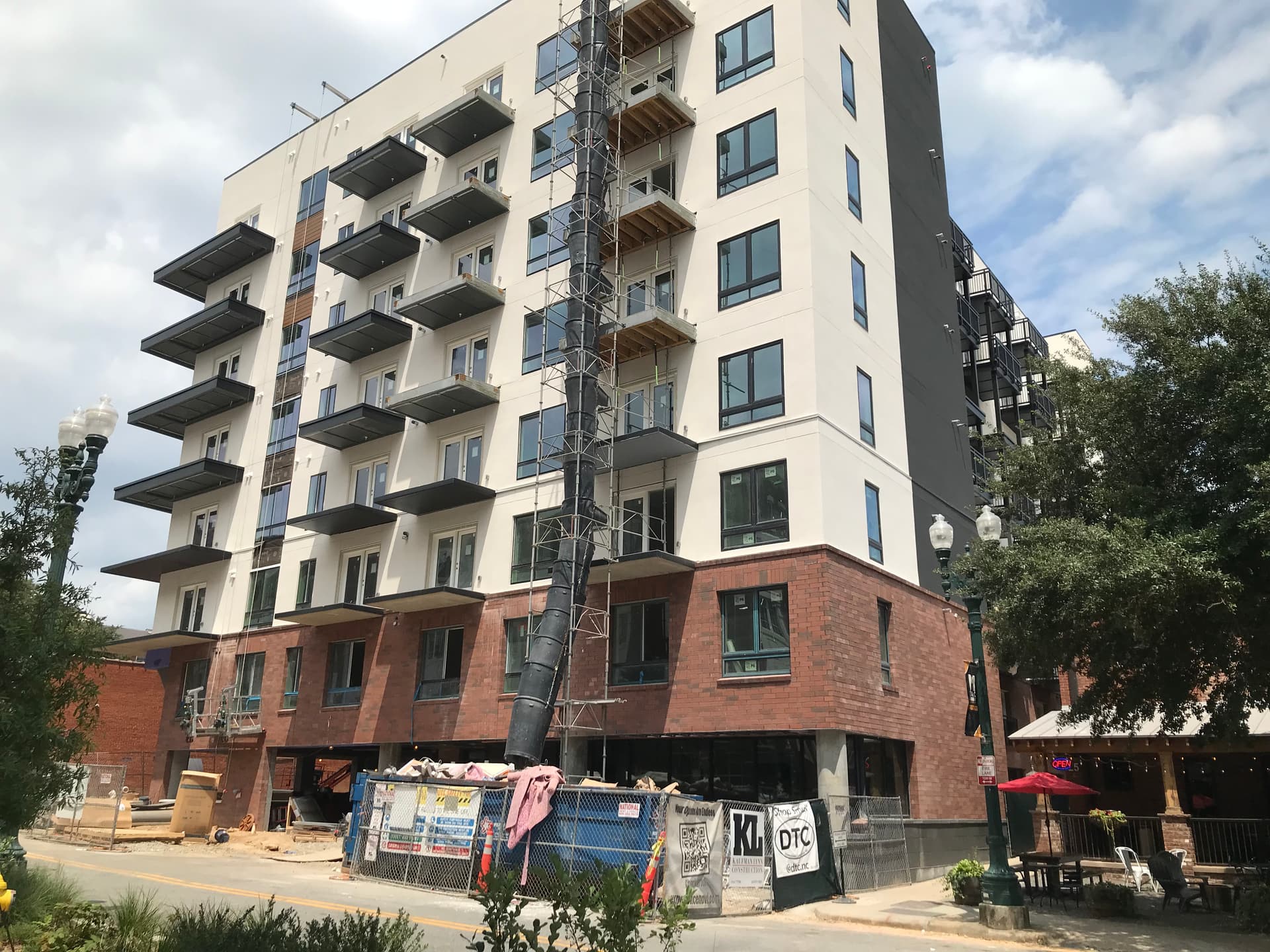
Concord has really come into its own over the past decade. Union St is undergoing a very extensive streetscape project (again lol) which should be wrapping up soon, and there are three separate 5-7 story midrise apartment buildings just completed/nearing completion that are adding about 300 more residential units to downtown. I’ll walk around here in a bit to grab a few more pics but the apartment buildings have filled in some noticeable empty spots in downtown, and hopefully its footprint will continue to expand as more it adds to its residential base.
Something that has always struck me as unusual is that there isn’t any rail running through old Concord…the rail corridor bypasses it on the southwestern side. It looks like there used to be a short spur serving a cluster of industrial buildings between the rail line and downtown, but I don’t think it’s used anymore. I’m not sure if there was ever even a passenger depot, and being so close to the Kannapolis and planned Harrisburg stations, it’s unlikely there will ever be passenger service here.
Over the past few years, Concord has rocketed past 100k residents and landed several massive industrial developments. It will easily surpass High Point in population by 2030 and might even manage to reel in Wilmington at some point. A few pics from earlier this week of Union St…
That is right next door to Press & Porter which is my favorite coffee shop I’ve been to in Concord/Kannapolis so far. Lots of cool local stores and restaurants in Concord, not many vacancies despite the construction. Some beautiful homes on mature tree-lined streets on the edge of downtown as well (especially the northwestern side).
Concord is the 10th largest city in the state and though this streetscape project has been painful during construction it is about to wrap up. Plus the new 300 apartment downtown will add a lot of activity.
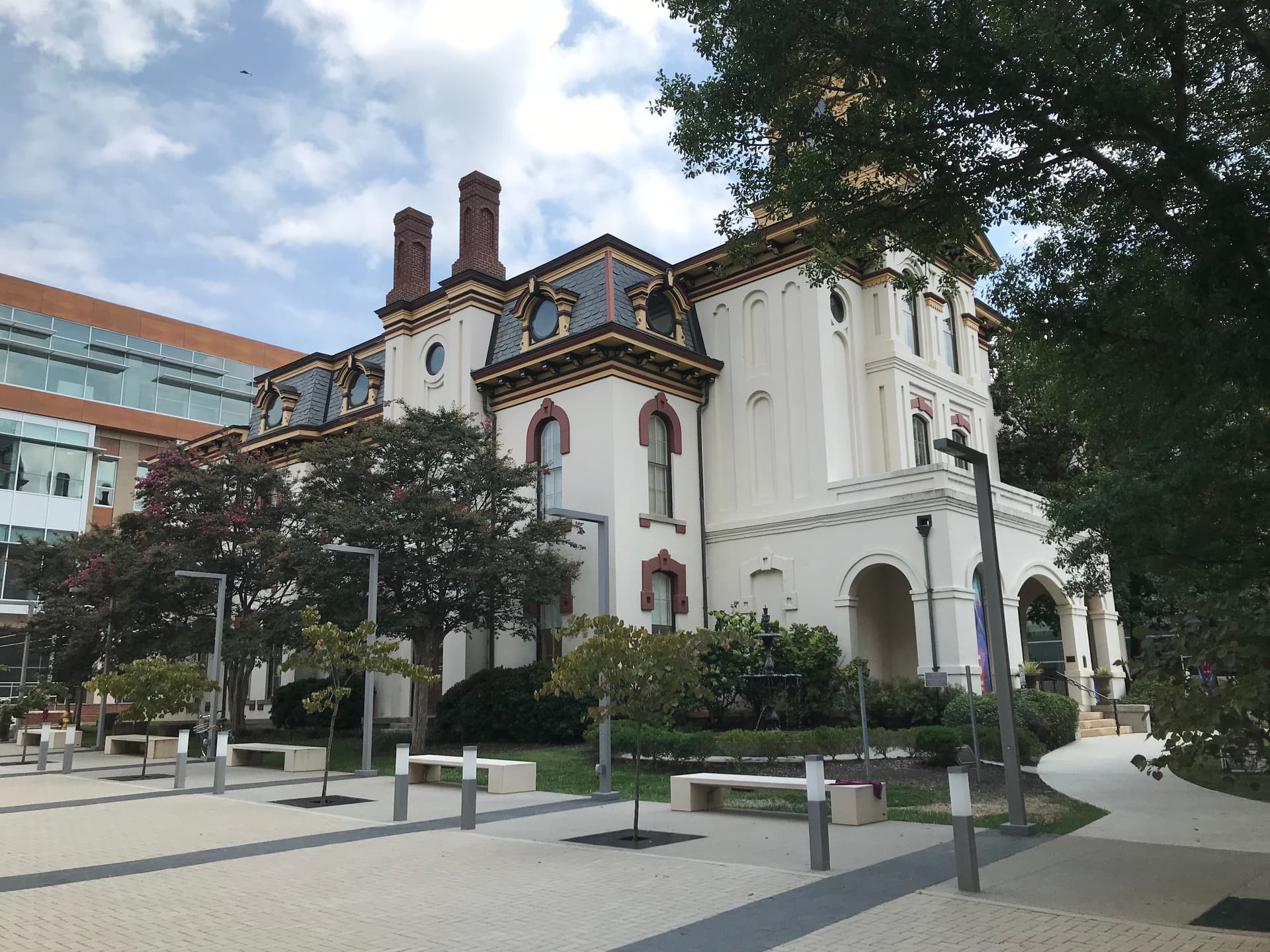
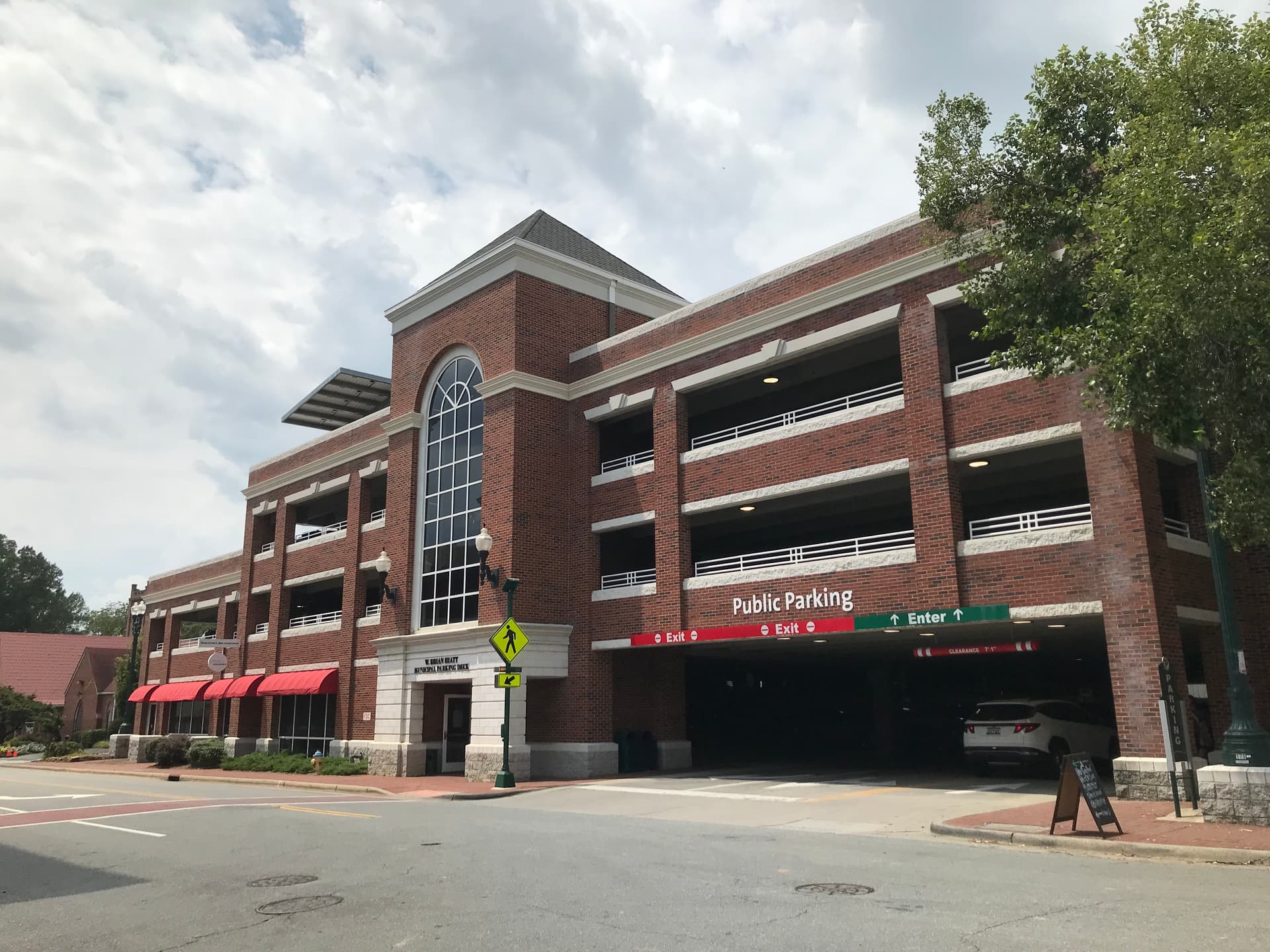
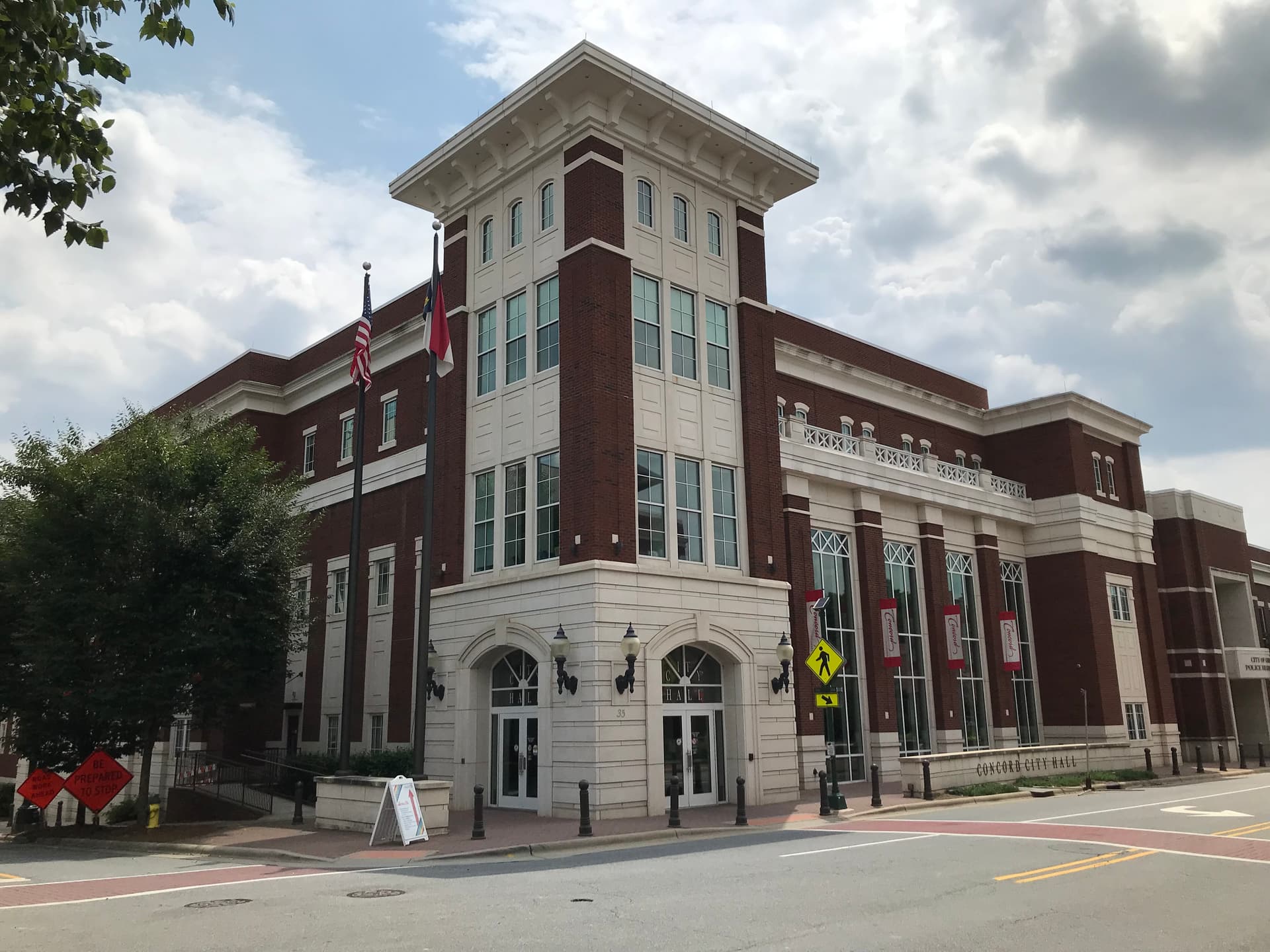
A few more pics from Concord. Something I have noticed while walking around here is that the city hasn’t skimped on its newer municipal buildings. It feels like an effort was made to use traditional design elements that complement the historic buildings. Even the parking decks look pretty nice and don’t really shout out “I’M A PARKING DECK”. The black and white apartment building still under construction is supposed to have a rooftop restaurant, which will be pretty neat for a city of this size.
I would love to see Concord add a top-tier urban park, maybe not quite as elaborate as Cary’s but something similar. Cabarrus County has done a decent job recently of building several new parks and greenways, but is certainly still noticeably behind comparable cities in the Triangle in that regard.
Looks really neat. Is there a name for re-urbanizing predominately suburban towns? Curious if there is a template these cities are following and what can be expected in the future. What is happening seems pretty novel in the history of urban planning to me.
I think it is more of a return to traditional development standards, than a new phenomenon. The template is basically do what worked for centuries before everything had to be centered around cars.
The interesting part to me is that the new urbanism is emerging on the fabric of old school suburbia, so lots of choices and tradeoffs will have to be made on how to best do that, which is what makes this round of development new and unique to me.
I don’t know that I’d call it a re-urbanization of a predominately suburban town, rather a town reclaiming its separate identity before it became a commuter town. I Google mapped its distance to central Charlotte & it’s similar to the distance between Chapel Hill and Raleigh.
Maybe it is all semantics, e.g., calling it “revitalization” instead? Taking Cary as an example, there will soon be a much denser core area with multi story apartments and walkable spaces, which is new. Granted, it will only be a small % of the population for now, but it is something, if not urban per se.
Strong Towns calls it the Traditional Development pattern.
In summary;
Small bets are started to create a place that multiplies value. This could be a trading post or market surrounded by modest residential. If it attracts investment from outside the community, eventually the land values exceed the building values while simultaneously the older buildings fall into disrepair. Redevelopment pressure on the older buildings to become something of higher and greater use/value mounts. If growth continues, it creates a virtuous cycle where investment raises land value, which in turn incentivizes greater investment. Rinse repeat until a small crossroads or trading post becomes a major city.
Leaving the great depression out of it, What broke this model was standardized development packages and products (SFH subdivisions, office buildings, shopping malls, grocery anchored strip centers, etc) being galvanized by like-kind financial products, transportation planning, and zoning to perpetuate sprawl. Strong Towns calls this departure from the traditional development pattern the Suburban Experiment
This is one of several, and my preferred, ways of talking about it.
When comparing Cary to Concord, let’s look at a historical data point between the two.
In 1940, Cary had 1,141 people while Concord had 15,572. Concord has a much more substantial history pre WW2 when towns were actually centered on their cores and not their cars. Today Cary has 70,000 more people than Concord, and it didn’t pass 15,572 until sometime in the 1970s. Cary is building its core now. Concord is restoring theirs.
Concord being the county seat also puts a whole different spin on things, especially when comparing it to Cary or a place like Kannapolis. We really do often forget how very small so many of the towns, particularly in Wake County, were before WWII, or really even before 1965.
The small towns were basically big neighborhoods with a Mayor. Like an “official” HOA and council. They build developments bigger now than some towns were back then.
 )
)