Nice try FAA. Not today! 
8 Likes
Tucker Street in front of the parking deck.
1 Like
I was testing you without any intention of testing you. 
You can tell I haven’t flown much lately otherwise I would have considered a non-answer as I would have said the same.
3 Likes
Quick question on the parking deck for this one. From what I can tell, it doesn’t look like there’s a garage directly under the residential tower. With that many units, do we think the resi tower is using the full garage under the office portion, or is a separate/smaller garage planned? Curious how they’re splitting parking between the two.
1 Like
@jkirk90 My understanding is that the highlighted section will be the portion of the deck that will be built for Phase 1.
5 Likes
Got it, thanks for sharing. With 306 units in the resi tower, that Phase 1 portion still feels pretty tight. Makes me wonder if the garage ends up being tall and skinny behind the tower, or if additional parking comes online later. Curious to see how they ultimately handle it.
3 Likes
This is a perfect example of not being assured parking in market rate housing downtown. I’m guessing that a parking space here will be a la carte?
2 Likes
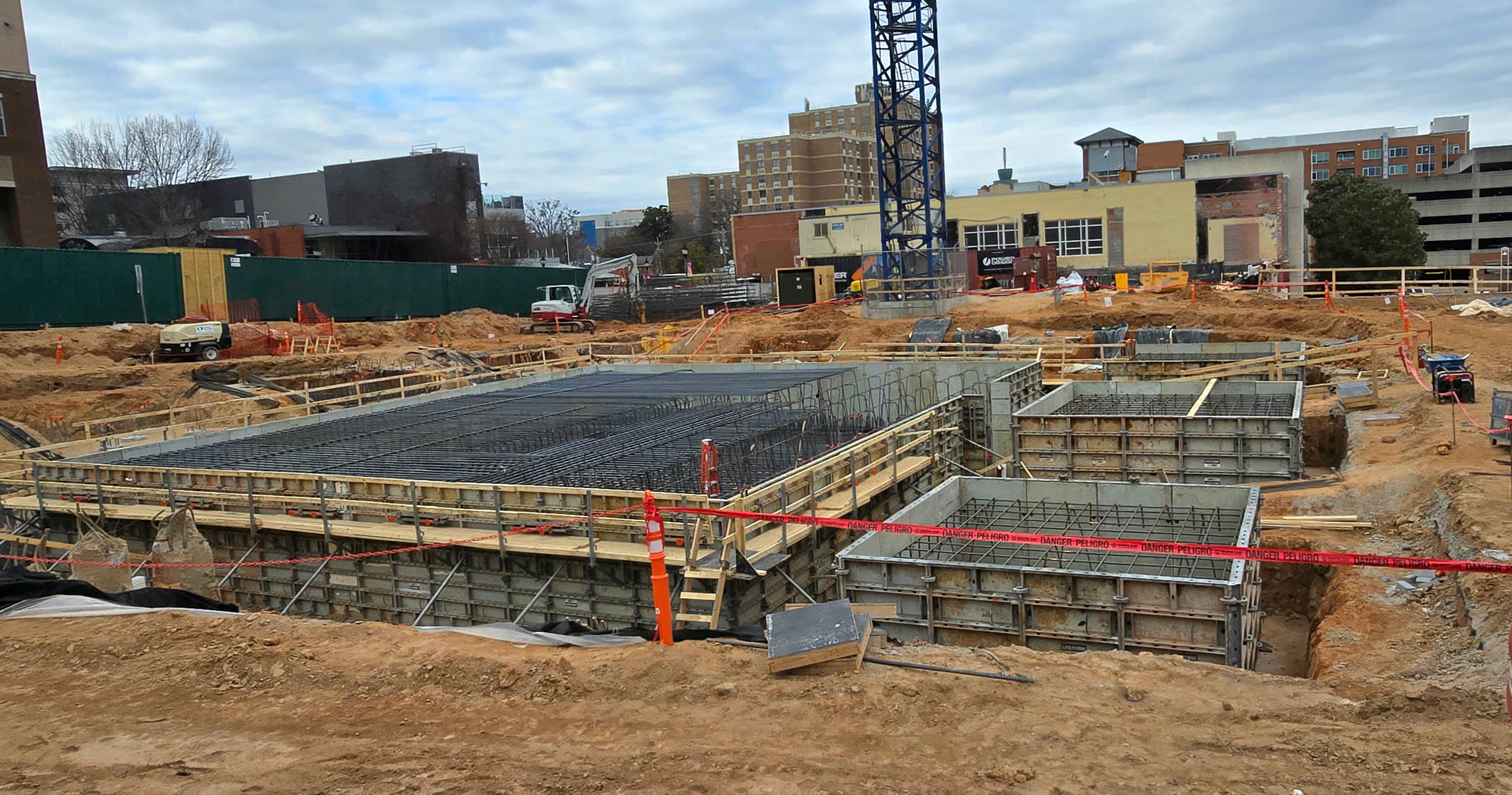
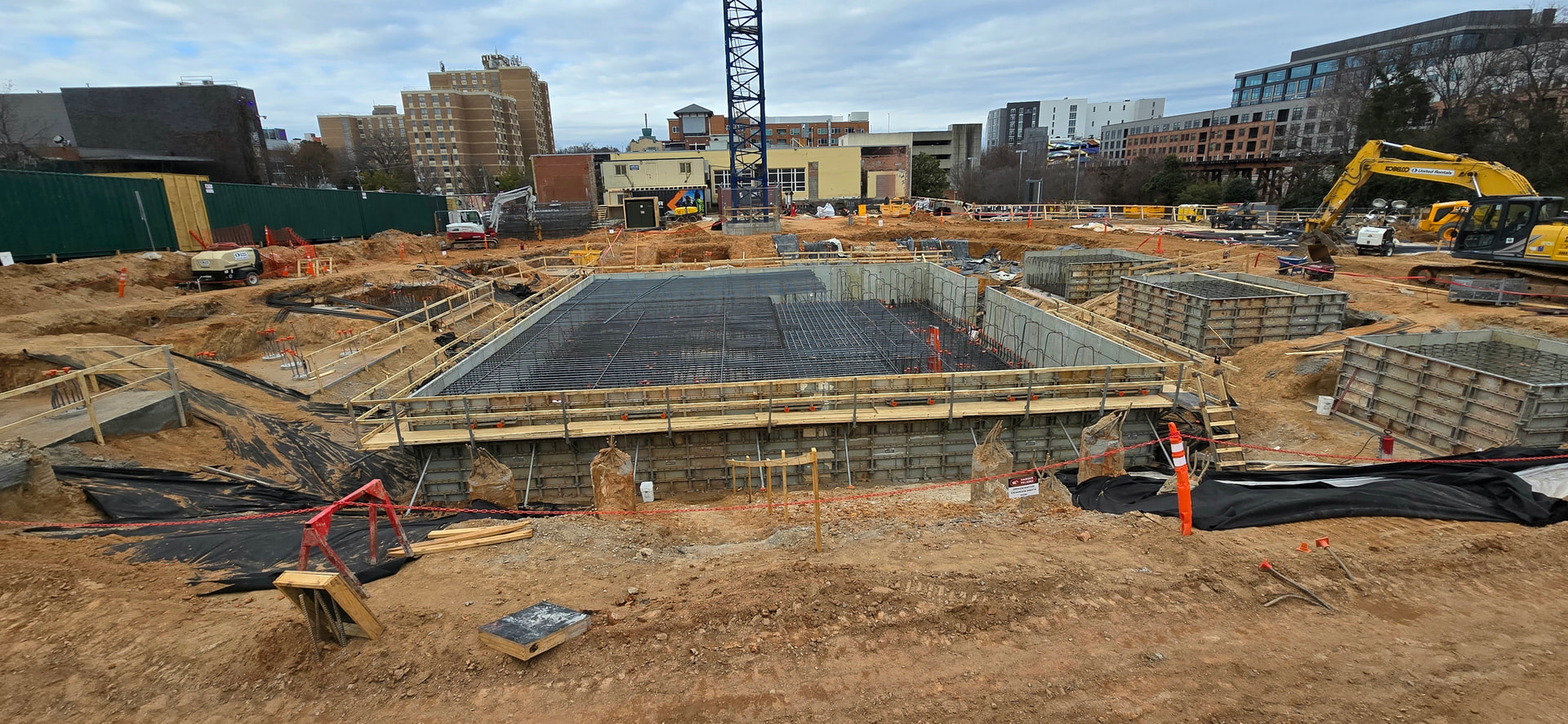
It’s almost done! 

10 Likes
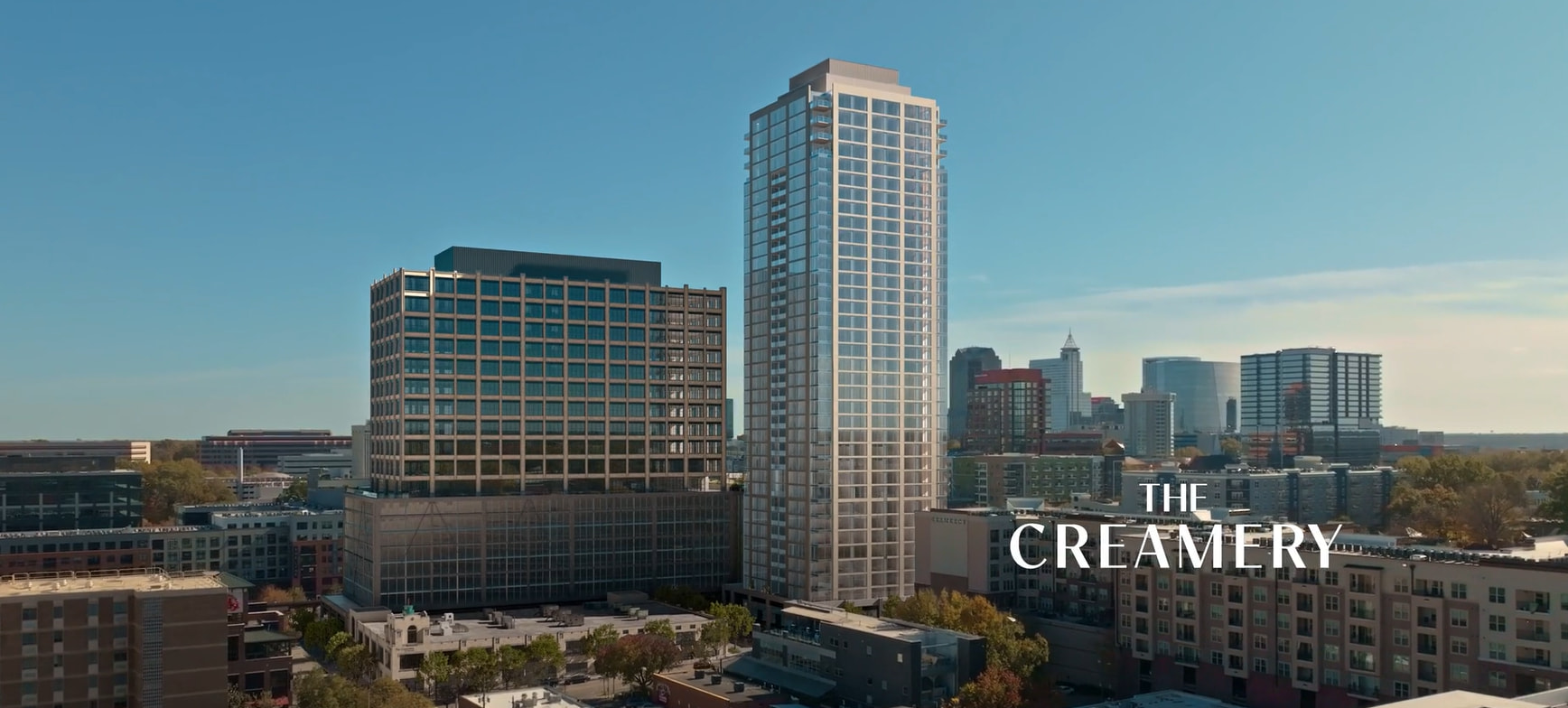
I’m still just in shock that this project is moving forward.
What a skyline shift it will be! In many places downtown you’ll be able to point to this building and say “that’s Glenwood South“
42 Likes
I’ll definitely bring more development and high rise towers.
This development, along with The Weld/Row, and Platform are providing massive momentum for downtown Raleigh. They are acting as catalysts in what is clearly a transformative era for the city. From a fundamental standpoint, Raleigh has for some time now possessed the essential “pillars of success” solid education programs, government presence, and a notable healthcare sector. It’s encouraging to see institutional capital validating these fundamentals and putting significant belief into action.
I think it a mix of luck, convergence of technology, long term impacts of COVID, temperate climate (as we hit below freezing temps), and “negative” external activities in other regions of the US + other factors of course!
21 Likes
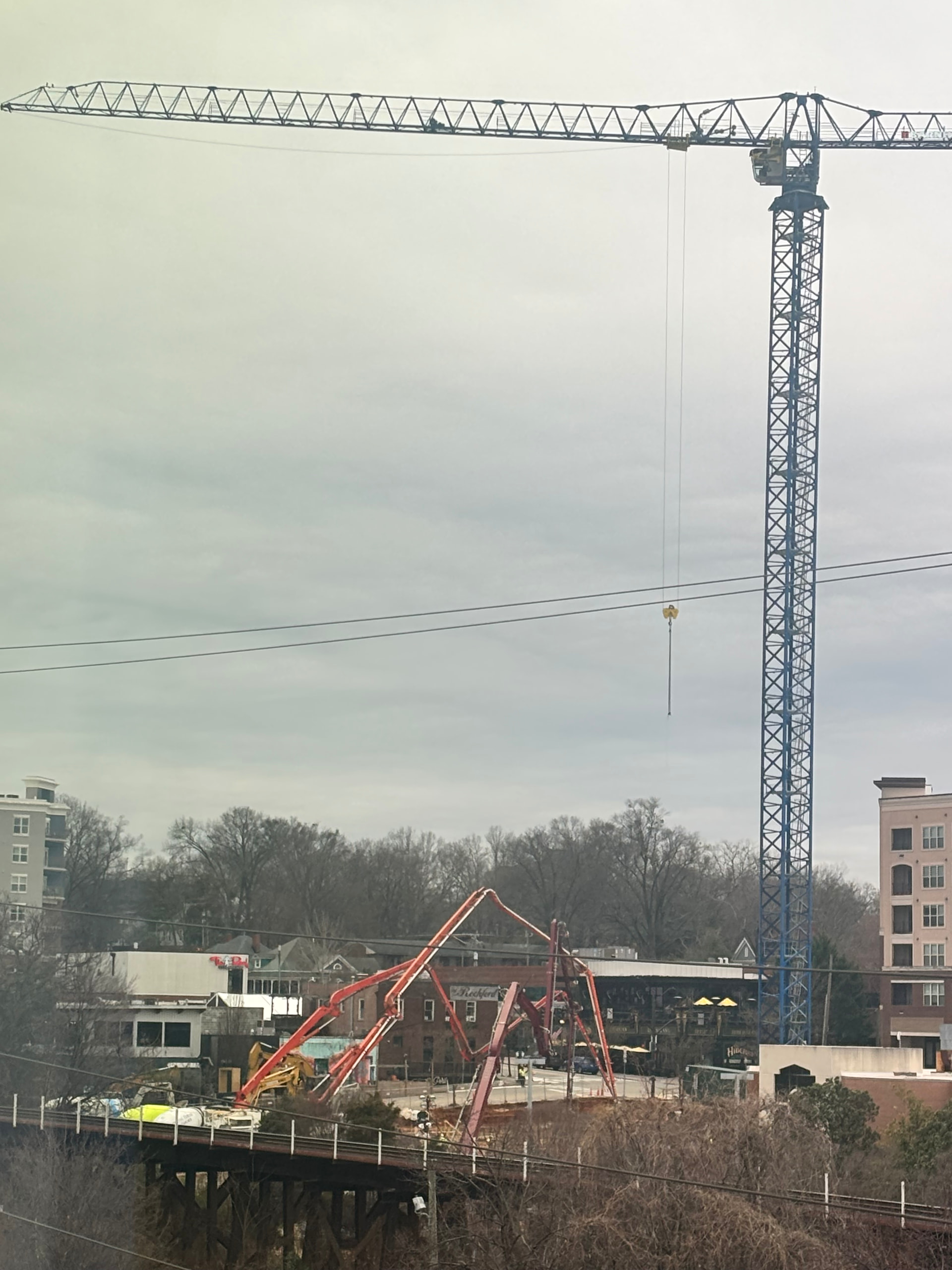
Is the concrete they are currently pouring really going to set up before several days worth of sub freezing temps? I think not. I’m not an engineer, but I do work with a lot of them. I just wonder what this does to the long term stability of the concrete if it isn’t allowed proper time to cure before extreme (freezing) temps. This has to be a partial reason for not doing road work up north during the winter…
I’ve had the same thoughts about the NC Education building as well. (I can’t tell if they were doing a pour on the mid-section along Jones Street today or not)
4 Likes
AI has thoughts on how the cold affects the curing.
Impact of Freezing Weather
-
Delayed Curing: If temperatures drop below 40∘F (4∘C), the curing process slows significantly, often taking twice as long to reach required strengths.
-
Reduced Strength: If concrete freezes within the first 24-48 hours, the internal water expands, destroying the internal bond between cement and aggregates. This can lead to a 50% reduction in strength, causing brittleness, cracking, and scaling.
-
Damage Potential: Concrete must reach a compressive strength of at least 500 psi (roughly 24-48 hours of proper curing) to withstand a single freeze-thaw cycle without permanent damage.
Best Practices for Cold Weather Pours
-
Maintain Temperature: Keep the concrete temperature above 50∘F (10∘C) for the first 3 to 7 days, if possible.
-
Use Protection: Utilize insulated blankets, tarps, or heated enclosures to trap heat and prevent the concrete from dropping below freezing for at least the first 48 hours.
-
Avoid Salt: Do not use deicing chemicals in the first few weeks, as they can cause scaling.
-
Monitor Conditions: Ensure the ground is not frozen when pouring, and consider using accelerated mix designs (Type III cement).
1 Like
It’s 2026 and we’ve built a few structures in our days (humans that is), so I suspect there’s one of those spinny cards with little holes that line up with the amount of concrete being poured, the temperature, the angle of the sun, if any shadow buildings are nearby and tells you magically how long to wait before you move on to the next phase of construction.
Just my guess but I do computer things.
6 Likes
You live in a tropical paradise. What do you know of such hardships???
3 Likes
Depends on the circumstances as to whether cold weather concrete placement is feasible.
There are best practices in the industry that involve use of additives that can protect against water freezing and/or accelerate the curing process.
Especially if going in the ground then the surrounding earth is usually well above freezing and may be in the mid-50’s at depth. Any surfaces exposed to surface air can be insulated and even surrounded with heated enclosures.
2 Likes
I think if I were building such a building, I might wait to pour. Just to be on the safe side. It is damn cold. And even referring to “Use Protection” under Best Practices doesn’t get you “Maintain Temperature” above 50 degrees for the first 3-7 days.
And @Oak City Dylan yeah no cred for you, my man. Living your best life with the cyber security nerds in the tropics. Go surfing or something.
3 Likes
I am just taking a guess that the engineers, architects, & contractors who are building this structure know what they are doing……
6 Likes